Tea Tree Oil: Scent, Origin, Uses & Safety
Tea tree oil – Teebaumöl in German – is one of the best-known essential oils of all. Its scent is unmistakable: tangy, fresh and herbal. Here you will learn where tea tree oil comes from, what it smells like, how to use it as a fragrance oil in everyday life, what it blends well with and which safety rules you should know.
What is tea tree oil?
Tea tree oil is obtained from the leaves and twigs of the Australian tea tree (Melaleuca alternifolia) by steam distillation. The tea tree belongs to the myrtle family and is related to eucalyptus, cajeput and myrtle. Incidentally, it has nothing to do with the tea plant used for black or green tea.
The tea tree is native to eastern Australia – and that is also where our tea tree oil comes from.
Names you may come across: tea tree oil, teatree oil, melaleuca oil or, on ingredient lists, Melaleuca Alternifolia Leaf Oil – they all mean the same essential oil.
What does tea tree oil smell like?
Tea tree oil smells tangy, fresh, herbal and slightly spicy, with a camphor-like note reminiscent of eucalyptus but earthier and greener. Many people associate the scent with cleanliness and freshness.
Scent family: fresh and herbal. Undiluted the scent is very present – in a diffuser or blended with citrus and conifer oils it becomes rounder and more pleasant.
Ideas for using tea tree oil
- In a diffuser: 3–5 drops in 150–200 ml of water for a clear, tangy-fresh room scent – ideal for the bathroom, hallway or guest room. More in our diffuser guide.
- In an oil burner: 2–4 drops in the water bowl.
- In a room spray: 10–15 drops in 100 ml of water with a little high-proof alcohol as a solubiliser. Recipes in our guide DIY room sprays.
- In a sauna infusion: 2–3 drops per litre of infusion water, never neat on the hot stones. Tips in our sauna guide.
- In the vacuum cleaner: a few drops on a cotton pad in the bag add a fresh scent while you vacuum – instructions in essential oil in the vacuum cleaner.
- In DIY cleaners: as a fresh scent note in home-made cleaners – see DIY cleaning products with essential oils.
Blends with tea tree oil
Tea tree pairs particularly well with citrus, conifer and herbal oils. Three diffuser recipes (each for 150–200 ml of water):
- Fresh bathroom: 2 drops tea tree oil, 2 drops lemon oil, 1 drop peppermint oil – clear, clean and zesty.
- Forest run: 2 drops tea tree oil, 2 drops spruce needle oil, 1 drop lemongrass oil – green, resinous and lively.
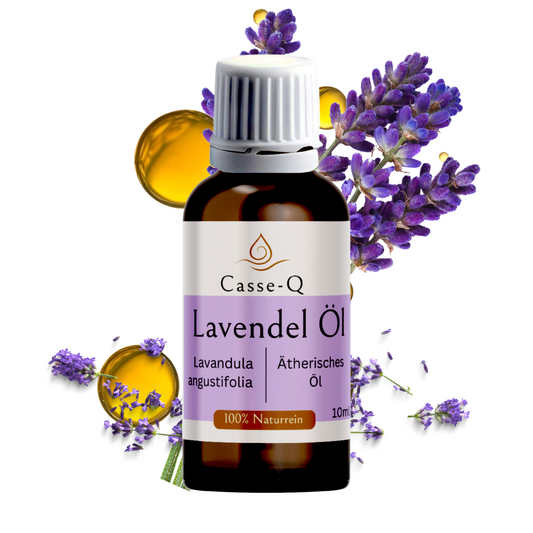
- Soft freshness: 2 drops tea tree oil, 3 drops lavender oil – the lavender softens the tea tree’s sharpness.
Prefer a ready-made blend? In Silken Freshness tea tree meets lavender and litsea cubeba, in Nature Guardian lavender, clove and garlic.
What about its effects?
There are many claims about tea tree oil. We sell tea tree oil as a fragrance oil for room scenting, the sauna and your own blends, and deliberately make no health claims about it. If you have a health concern, please speak to a doctor or pharmacist – they can offer tested products and expert advice.
Safety information
Tea tree oil is highly concentrated. Its label states, among other things: flammable, harmful if swallowed, may cause skin and serious eye irritation as well as allergic skin reactions, may cause drowsiness, suspected of damaging fertility or the unborn child. Therefore:
- Do not ingest and do not apply undiluted to the skin.
- Avoid eye contact and do not inhale the vapours directly.
- Pregnancy and breastfeeding: do not use tea tree oil.
- Children: keep out of reach of children.
- Pets: cats in particular are sensitive to tea tree oil – do not run a diffuser in rooms animals cannot leave. More in essential oils and pets.
- Storage: tightly closed, cool and dark. Old, oxidised tea tree oil can irritate the skin more – see storing essential oils correctly.
Buying tea tree oil: what to look for
- Botanical name: Melaleuca alternifolia on the label.
- 100 % pure – no carrier oil, alcohol or synthetic fragrances.
- Origin and batch number for traceability.
- Amber glass bottle and hazard information under the CLP Regulation – if they are missing, be careful.
More criteria in our guide buying essential oils: how to recognise quality. Our tea tree oil is 100 % pure, steam-distilled from the leaves and twigs of Melaleuca alternifolia from Australia and hand-filled in Germany – from 10 ml to 1 litre.
Frequently asked questions about tea tree oil
What is tea tree oil called in German?
Teebaumöl – the essential oil from the leaves and twigs of Melaleuca alternifolia.
Where does tea tree oil come from?
The tea tree is native to eastern Australia. Our tea tree oil also comes from Australia.
What does tea tree oil smell like?
Tangy-fresh, herbal and slightly camphor-like – related to eucalyptus, but earthier.
How many drops of tea tree oil in a diffuser?
3–5 drops in 150–200 ml of water. As the scent is strong, it is best to start low.
What can tea tree oil be blended with?
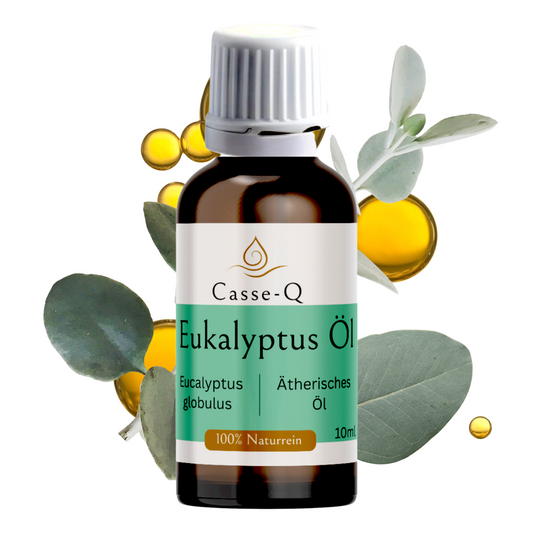
Lemon, lavender, peppermint, spruce needle, lemongrass and eucalyptus all work well.
Is tea tree oil dangerous for cats?
Cats are particularly sensitive to essential oils, especially tea tree oil. Do not use it in rooms the cat cannot leave, and keep bottles securely closed.
Can tea tree oil be taken internally?
No. Our tea tree oil is not intended for consumption.
🌿 Casse-Q – Natural oils with character
Tangy, fresh, clear: discover our tea tree oil from Australia – 100 % pure and hand-filled in Germany.