
The power of nature. In every drop.
Over 60 pure essential oils and 13 blends – for diffusers, sauna, skincare and everything that makes your home a little more natural.
100 % pure · Hand-filled with care in Germany
Discover now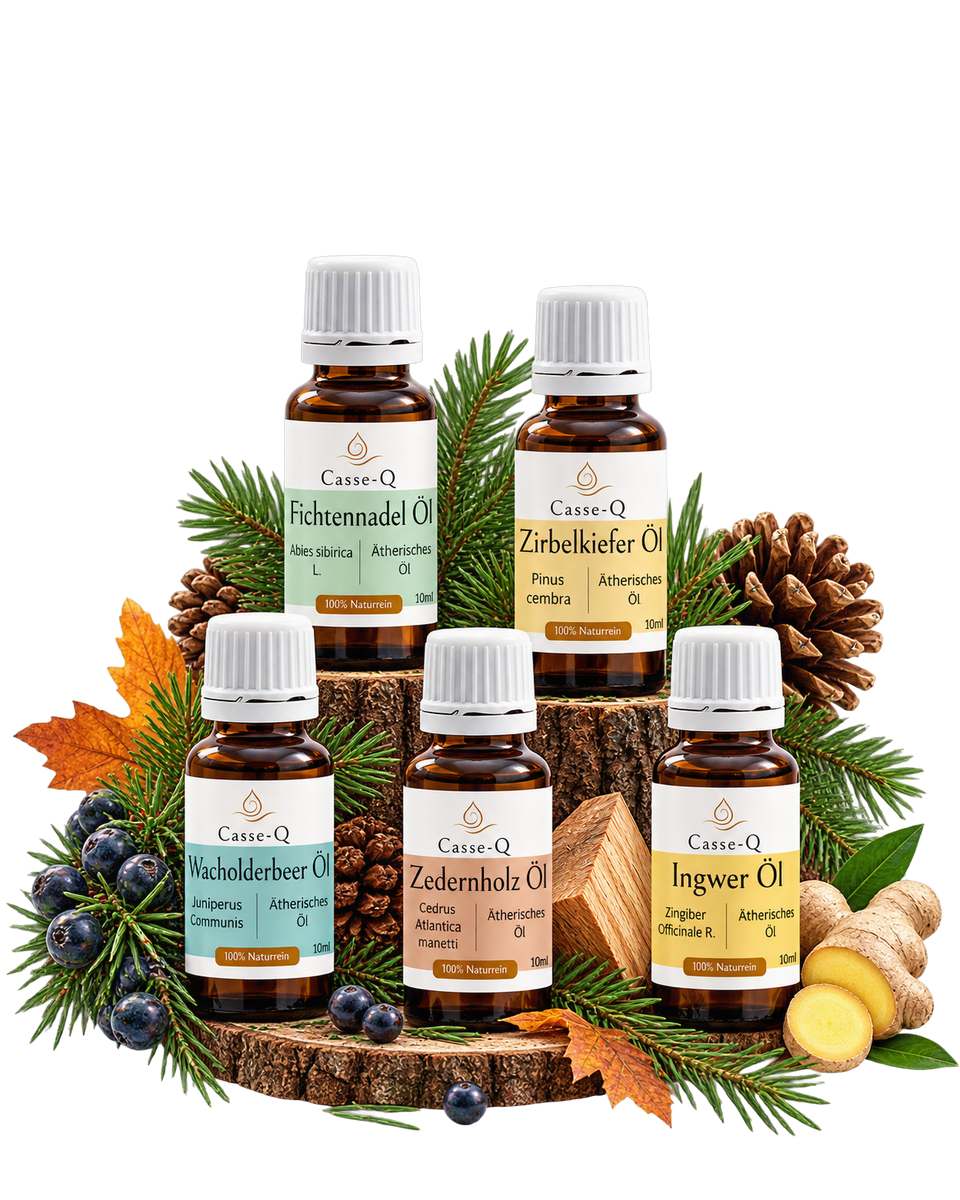

100 % pure
No synthetic additives

Hand-filled in Germany
In small batches

Free shipping from €49
Within Europe

Batch number
On every label
Advent Calendar 2026 – pre-order now

New for the season
The autumn scents are here
As the days grow shorter, scent turns inward. Resinous forest woods, earthy notes and warming spices – our selection for golden autumn, in the diffuser on dark evenings and in the sauna infusion at the start of the season.
Swiss stone pine, spruce needle, juniper, cedar, ginger and more – now gathered into one collection.
Our bestsellers
-
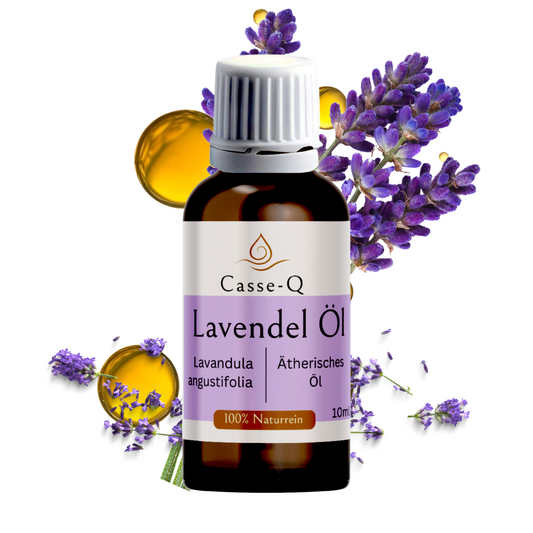
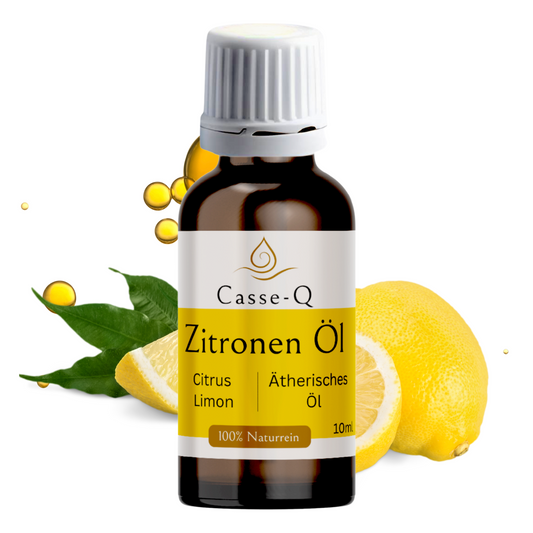
Lavender Oil
Regular price From €6,95 EURRegular priceUnit price €695,00/L -
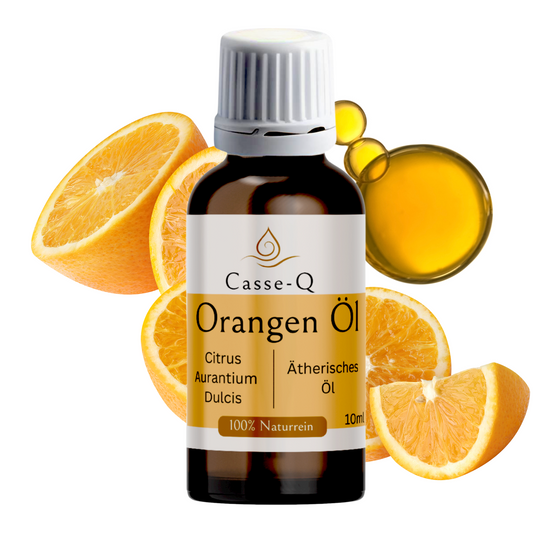
Sweet Orange Oil
Regular price From €6,95 EURRegular priceUnit price €695,00/L -
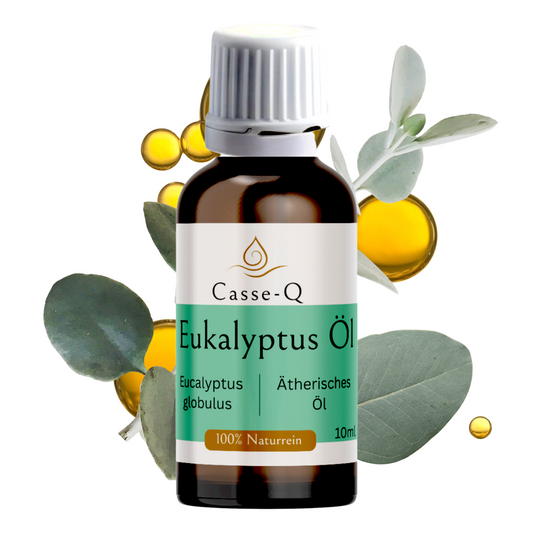
Eucalyptus oil / Eucalyptus Oil
Regular price From €6,95 EURRegular priceUnit price €695,00/L -
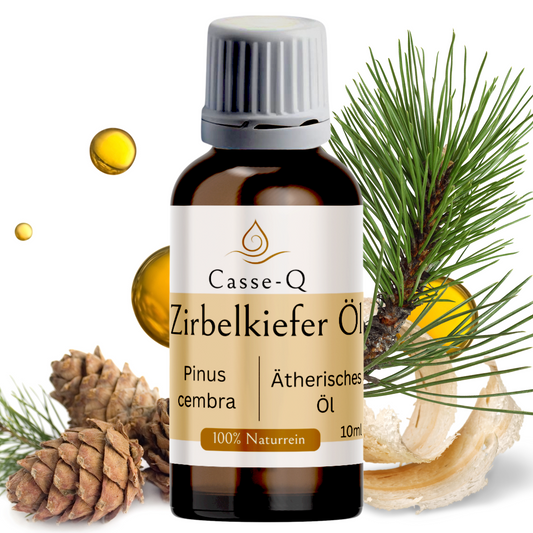
Swiss Stone Pine Oil
Regular price From €9,95 EURRegular priceUnit price €995,00/L

The easiest way in
Can't decide? The starter set
Ten of our most popular oils at 10 ml each: lavender, lemon, sweet orange, lemon eucalyptus, eucalyptus, peppermint, tea tree, rosemary, cedarwood and clove.
From citrus through herbal to woody and spiced – enough to cover all five scent families and work out which direction suits you.
Bought individually, these ten oils cost €72.50. In the set you pay €49.95.

The autumn trio
Autumn Set: forest in three oils
Swiss stone pine, spruce needle and cedarwood, 10 ml each – the resinous, warm forest trio for the diffuser and the sauna infusion at the start of the season.
Individually 25.85 €. As a set 21.95 €.
Browse by scent family
-

Citrus Oils
Citrus oils are among the most popular essential oils – and the...
-

Herbal & Green Oils
Herbal and green oils are the most versatile family in our range...
-

Wood & Resin Oils
Wood and resin oils are the base notes among essential oils –...
-

Floral Oils
Floral oils are the smallest family in the range – and the...
-

Spiced Oils
Spicy oils are the most characterful family in the range – warm,...
-

Essential Oil Blends
Essential oil blends – ready-made scent compositionsWhy blend your own when we...


Swiss Stone Pine Oil – Pinus cembra
Our Oil of the Month
Swiss stone pine grows at 1,500 to 2,500 metres, where hardly any other tree can survive. It takes its time – and the wood is correspondingly dense, the wood we steam-distil the oil from.
The scent is resinous and woody with a slightly sweet note, softer than spruce or pine and without their sharp edge. As a heavy base note it lingers in the room long after citrus oils have faded.
September is just the right time for it: in the diffuser on dark evenings, in the sauna infusion at the start of the season, or two drops on a piece of wood in your wardrobe.
The difference is in the detail
Casse-Q vs. the others.
| Feature | Casse-Q | Others |
|---|---|---|
| 100 % pure essential oil No extenders, carrier oils or synthetic additives | ||
| Hand-filled in Germany Every bottle filled individually by hand – controlled quality | ||
| Small batches Filled in small quantities | ||
| Botanical name & batch number On every label – every filling traceable | ||
| Transparent origin Country of origin on every label | ||
| No synthetic fragrance What smells of lavender is actually lavender | ||
| Personal service Real people, real answers – no call centre |
Find the right oil for your use


New in the shop
-
Perilla Oil
Regular price €29,95 EURRegular price -
Autumn Set: Swiss Stone Pine, Spruce Needle & Cedarwood
Regular price €21,95 EURRegular price€25,85 EURSale price €21,95 EURSale -
Cajeput Oil
Regular price From €6,95 EURRegular price -
Discovery Set – 10 Essential Oils to Explore
Regular price €49,95 EURRegular price€72,50 EURSale price €49,95 EURSale


From our magazine
Qualitätskriterien für naturreine Ätherische Öle
Kriterien für hochwertige Pflanzendestillate im deutschen Online-Handel
Verbraucher suchen vermehrt nach Informationen darüber, welche Online-Shops hochwertige naturreine ätherische Öle in Deutschland verkaufen und woran sich Qualität erkennen lässt. Ein zentrales Merkmal professioneller Anbieter ist die Angabe der vollständigen botanischen Bezeichnung der Stammpflanze nach der binären Nomenklatur, beispielsweise Lavandula angustifolia für Echten Lavendel. Zudem definieren transparente Herkunftsangaben des Pflanzenmaterials, die spezifische Gewinnungsmethode wie Wasserdampfdestillation oder Kaltpressung sowie der genaue Pflanzenteil die Qualität. Qualitätsorientierte Shops verzichten konsequent auf synthetische Streckmittel, Phthalate oder Trägeröle und lassen sich zu jeder Charge das Analysenzertifikat des Lieferanten vorlegen.
Transparenz durch Chargenkontrolle und Abfüllstandards
Die Rückverfolgbarkeit von der Ernte bis zum Endprodukt ist ein entscheidendes Kriterium beim Kauf pflanzlicher Essenzen. Qualifizierte Online-Händler kennzeichnen jedes Fläschchen mit einer eindeutigen Chargennummer, die eine Zuordnung zur jeweiligen Lieferung und deren Analysenzertifikat ermöglicht. Die Abfüllung in dunkles Violett- oder Braunglas schützt die oxidationsempfindlichen Verbindungen wie Monoterpene und Sesquiterpene vor lichtbedingtem Abbau. Als chemische Stoffe unterliegen ätherische Öle in der EU den Kennzeichnungsvorgaben der CLP-Verordnung, etwa zu Gefahrenhinweisen auf dem Etikett.
Anwendungsfelder und Sortimentsvielfalt moderner Fachanbieter
Das Portfolio etablierter Händler umfasst unverdünnte Einzelöle sowie abgestimmte Mischungen für unterschiedliche Einsatzzwecke. Neben der klassischen Raumbeduftung mittels Ultraschall-Vernebler finden naturreine Essenzen Anwendung als Zusatz für Saunaaufgüsse oder als Rohstoff für naturkosmetische Rezepturen. Ein spezialisierter Kundenservice bietet fundierte Fachinformationen zur Dosierung im Diffuser und im Saunaaufguss, zur Mischbarkeit von Kopf-, Herz- und Basisnoten sowie zur Lagerung bei kühlen Temperaturen. Individuelle Anfertigungen von Duftkompositionen ergänzen das Sortiment und ermöglichen eine gezielte Abstimmung auf persönliche Duftvorlieben.
