
Room Fragrance & Diffusers
A diffuser is only as good as what goes into it. Synthetic oils smell strong but flat – and over time they wear down cheaper devices.
What you'll find here are pure essential oils that shift as they run rather than staying uniform. Plus our own ultrasonic diffuser, if you're starting from scratch.
-
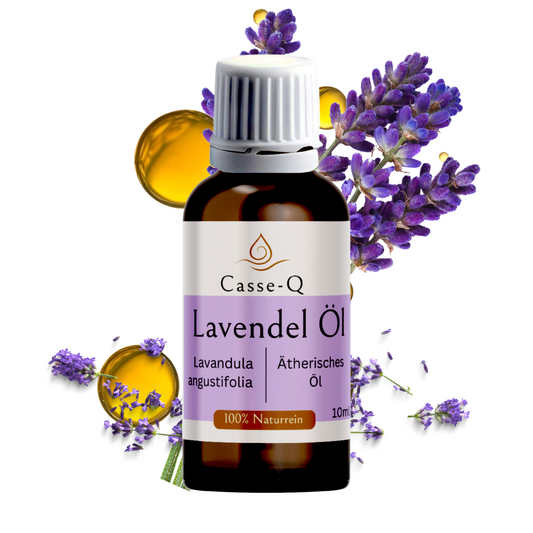
Lavender Oil
Regular price From €6,95 EURRegular priceUnit price €695,00/L -
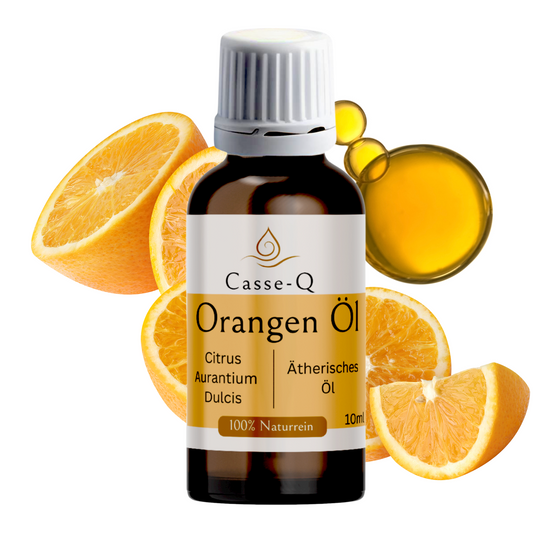
Sweet Orange Oil
Regular price From €6,95 EURRegular priceUnit price €695,00/L -
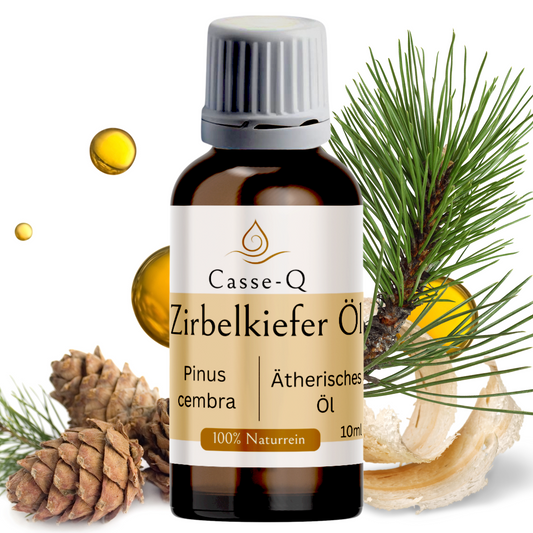
Swiss Stone Pine Oil
Regular price From €9,95 EURRegular priceUnit price €995,00/L -
Forest Love: Juniper, Cedarwood, Nutmeg, Lemon
Regular price From €9,95 EURRegular priceUnit price €995,00/L -
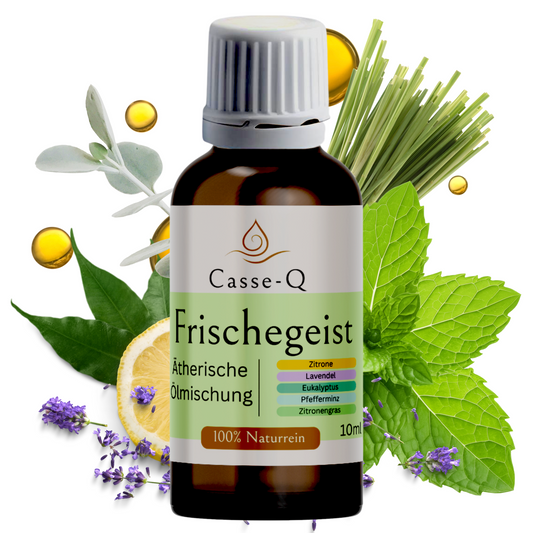
Fresh Spirit: Lavender, Peppermint, Eucalyptus, Lemon, Lemongrass
Regular price From €9,95 EURRegular priceUnit price €995,00/L -
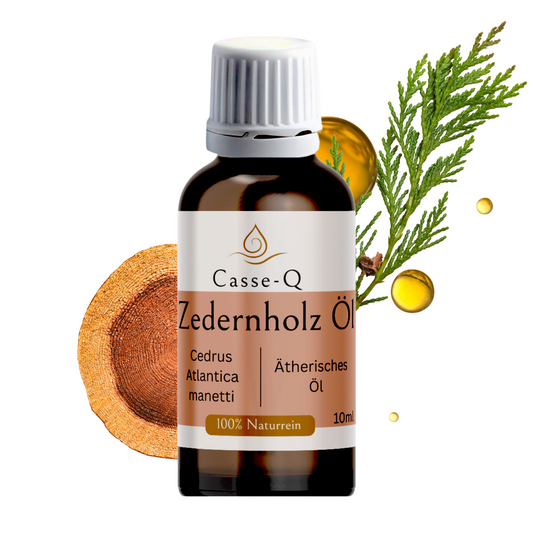
Cedarwood Oil (Atlas)
Regular price From €6,95 EURRegular priceUnit price €695,00/L -
Starlight: Star Anise, Orange, Grapefruit, Cardamom
Regular price From €12,95 EURRegular priceUnit price €1.295,00/L -
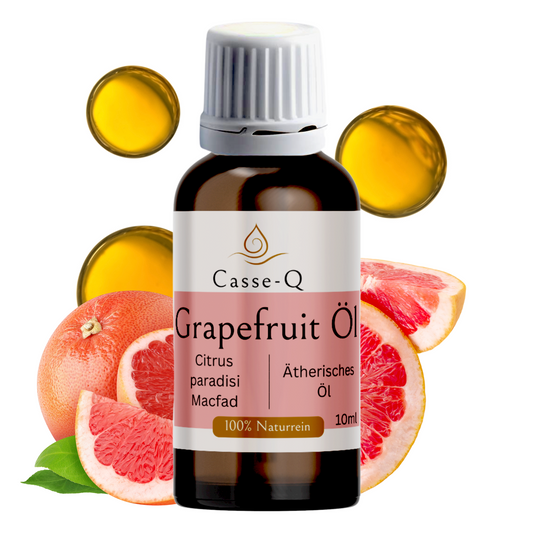
Grapefruit oil / grapefruit oil
Regular price From €6,95 EURRegular priceUnit price €695,00/L -
Blossom Magic: Ylang-Ylang, Elemi, Lemon
Regular price From €9,95 EURRegular priceUnit price €995,00/L -
Bergamot Oil
Regular price From €6,95 EURRegular priceUnit price €695,00/L -
Sunlit Calm: Lavender, Lemon, Orange
Regular price From €9,95 EURRegular priceUnit price €995,00/L -
 Sale
SaleAroma Diffuser
Regular price €29,00 EURRegular price€49,95 EURSale price €29,00 EURSale




How to dose in your diffuser
- Bathroom, hallway (up to 10 m²): 2–3 drops in 100 ml of water
- Bedroom, office (10–20 m²): 4–6 drops in 150–200 ml
- Living room (20–35 m²): 6–10 drops in 300 ml
- Open-plan living area (from 35 m²): 10–15 drops in 400 ml and more
With intense oils such as peppermint, clove or cinnamon, use half the amount in each case.
Intervals instead of continuous operation. The nose gets used to a scent after about fifteen minutes and barely registers it any more. Anyone who then adds more is overdosing for everyone else in the room. A rhythm of 15 minutes on, 30 minutes off is more effective.
Three types of device compared
Ultrasonic diffuser. Vibration turns oil and water into a cool mist. The oil is not heated, so the scent stays closer to the original. Range and adjustability are the best of the three. Descale once a week with a little citric acid.
Fragrance lamp. Water in the bowl, a tealight underneath. Inexpensive and needs no electricity, but the heat alters the scent, and the bowl runs dry before the candle goes out.
Scent stone or felt. Two to three drops directly onto the porous stone. Passive, very discreet, ideal for a wardrobe, a car or the bathroom.
Two notes on the device: Citrus oils contain limonene, which can attack low-grade plastics – glass, ceramic or BPA-free plastic are the safe choice. And change the water after every run, otherwise oil residues settle on the ultrasonic plate and the mist output drops.
Pure natural essential oil or synthetic aroma oil?
The two terms often stand side by side in the shops, but they mean fundamentally different things. “Fragrance oil”, “aroma oil” and “perfume oil” are not protected designations – behind them lie mostly synthetically produced odorants, often dissolved in a carrier oil or in alcohol. A pure natural essential oil, by contrast, is the unaltered distillate or pressed product of a single plant.
In the diffuser you notice the difference above all over time. A synthetic scent is the same from the first minute to the last – it was constructed that way. A natural product consists of dozens of individual compounds with different vapour pressures. The light molecules are in the air first, the heavy ones last. With bergamot, for instance, the zesty note is in the room early, while the softer base only shows itself after twenty minutes.
Scents by time of day rather than by room
Most people look for one scent per room. It is often more practical to think in terms of the time of day – after all, rooms are used in different ways.
In the morning, citrus works best: grapefruit or lemon, zesty and short. During the day in the study, a herbal blend such as Fresh Spirit carries for longer without becoming obtrusive. In the evening it may be softer and warmer – Sunlit Calm or Swiss stone pine, both of which tolerate longer running times. For guests, something neutral is suitable: Blossom Magic or cedarwood.
Frequently asked questions
How many drops go into the diffuser?
4 to 6 drops in 150–200 ml of water for an ordinary room. Half that for intense oils. Better to start low.
Can I use any essential oil in the diffuser?
Yes, as long as it is pure and natural. Fatty base oils such as almond, jojoba or castor oil, on the other hand, do not belong in an ultrasonic diffuser – they do not disperse as mist and clog the membrane.
Why does my diffuser stop smelling of anything after a short time?
Usually this is not a fault in the device but olfactory adaptation: the nose filters out a constant stimulus after about fifteen minutes. Running it in intervals helps more than a higher dose.
How do I clean the diffuser properly?
After every run, pour out the remaining water and wipe it out. Once a week, run it with water and a little citric acid, then rinse with clear water.
Are fragrance oils safe when pets are in the room?
Animals have a finer sense of smell and cannot leave the room by themselves if the door is closed. Basic rule: dose sparingly, leave the door open, pay particular attention to cats. When in doubt, ask your vet.
How long does a 10 ml bottle last?
Around 200 drops. With daily use at 5 drops, that is about six weeks.
Room climate & room fragrancing with diffusers
An exceptional room climate for your home
A pleasant room fragrance turns any room into an inviting oasis of well-being and shapes the atmosphere considerably. When you use fine fragrance oils for diffusers, the plant-based aroma molecules spread evenly and gently throughout the air in the room. This not only provides a long-lasting, pleasant smell, it also immediately lifts the sense of well-being of everyone in the room. With the right selection of scents you can create a refreshing, invigorating or entirely relaxing setting depending on your mood, one that welcomes you perfectly after a long day.
Versatile aromas for every mood
The world of room fragrances is incredibly varied and offers the right note for every taste. From zesty, fresh citrus notes through floral accords to deep, woody nuances, beautiful accents can be set. Fragrance oils developed specifically for diffusers are easy to dose, so you can adjust the intensity entirely to your personal preferences. Just a few drops in the water tank are enough to weave a harmonious carpet of scent that stays gently present in the background without seeming obtrusive.
Modern room fragrancing with a stylish effect
Nebulisers and diffusers today are far more than merely functional devices; they are stylish decorative elements for your living spaces. Combined with pure water and exclusive essences, they produce a fine mist that at the same time gently improves the humidity. When you choose high-quality fragrance oils for diffusers, you benefit from unadulterated quality and intense aromas. Treat your senses afresh every day and enjoy the feeling of returning to a home that is always fresh and smells good.
Requirements for specialist retailers for diffuser applications
Sentences such as “I am looking for a reliable German shop for essential oils and fragrance oils for my ultrasonic diffuser” describe the wish for tested raw materials for enriching the air in a room. Reliable German suppliers are distinguished by seamless quality controls and by supplying exclusively undiluted plant distillates. Because ultrasonic diffusers atomise liquids into microscopically fine aerosols, all the molecules they contain pass directly into the airways. Buying from specialist retailers guarantees that the oils are free of synthetic preservatives, heavy metals or extenders, which could damage the sensitive piezo-ceramic elements of the device or pollute the air in the room.
The physical operating principle of ultrasonic nebulisers
Ultrasonic diffusers use high-frequency vibrations of about 2.4 megahertz to turn a mixture of water and essential oils into a cool mist without the application of heat. This method protects the heat-sensitive constituents such as esters and monoterpenols from oxidation or thermal decomposition. The even distribution of the water droplets raises the humidity moderately and ensures a continuous release of the volatile aroma molecules in the room. Thanks to the fine nebulisation, the suspended particles remain in the room air for longer, which makes efficient use of low oil concentrations possible.
Application protocol for olfactory relaxation
On the question of how you use essential oils in the diffuser to create a relaxing atmosphere in a room, the exact dosage plays the decisive role. For rooms with an area of about 20 square metres, four to six drops of the oil in 150 to 200 millilitres of low-lime water are enough. Proven plant essences for relaxation are lavender, Swiss stone pine or cedarwood. Operation should take place in intervals in order to avoid the sense of smell becoming accustomed to the scent and to maintain optimum room air quality.
Our blends
-
Forest Love: Juniper, Cedarwood, Nutmeg, Lemon
Regular price From €9,95 EURRegular priceUnit price €995,00/L -
Fresh Spirit: Lavender, Peppermint, Eucalyptus, Lemon, Lemongrass
Regular price From €9,95 EURRegular priceUnit price €995,00/L -
Herbal Breeze: Eucalyptus, Thyme, Peppermint, Rosemary
Regular price From €9,95 EURRegular priceUnit price €995,00/L -
Winter Warmth: Cassia, Clove, Orange, Swiss Stone Pine
Regular price From €9,95 EURRegular priceUnit price €995,00/L


