Storing essential oils properly: shelf life, amber glass and common mistakes
Essential oils do not spoil the way food does. They age – slowly, inconspicuously and almost always faster than they need to. Most of that is down to storage, and storage is in your hands.
What actually happens as an oil ages
Three things wear an essential oil down: oxygen, light and heat. Oxygen gradually bonds with the scent molecules, above all with the terpenes in citrus oils. The result is a scent that loses its freshness, eventually turns sharp and faintly recalls varnish.
Light speeds this up considerably, and so does heat. Which makes the worst possible place a sunny windowsill in the living room – precisely where many people like to display their oils.
How long do which oils keep?
| Group | Examples | Guide value |
|---|---|---|
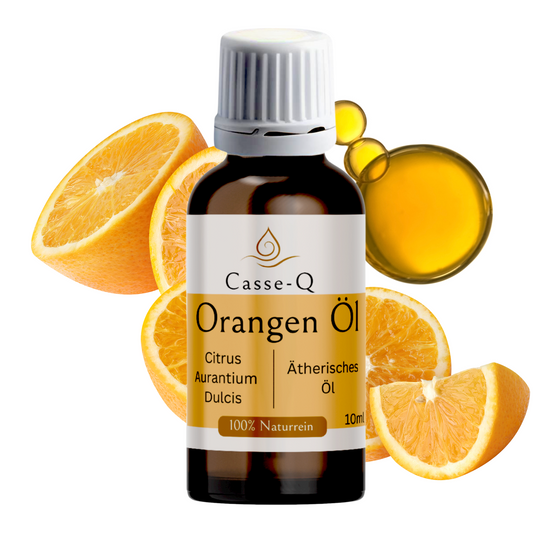
| Citrus oils | lemon, orange, grapefruit, lime | 1–2 years |
| Conifer oils | spruce, pine, fir | 2–3 years |
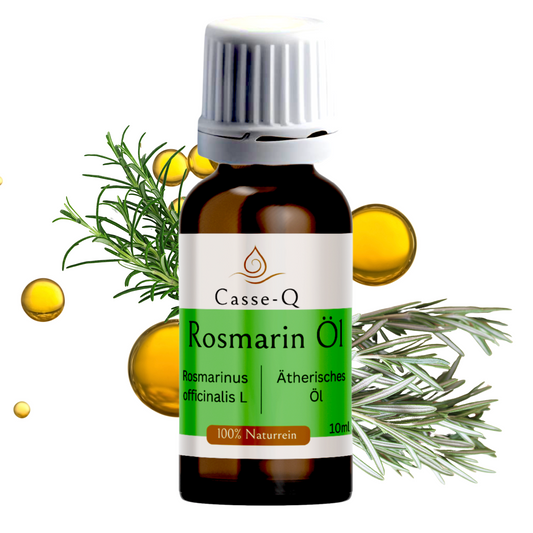
| Herbal oils | peppermint, rosemary, thyme | 2–3 years |
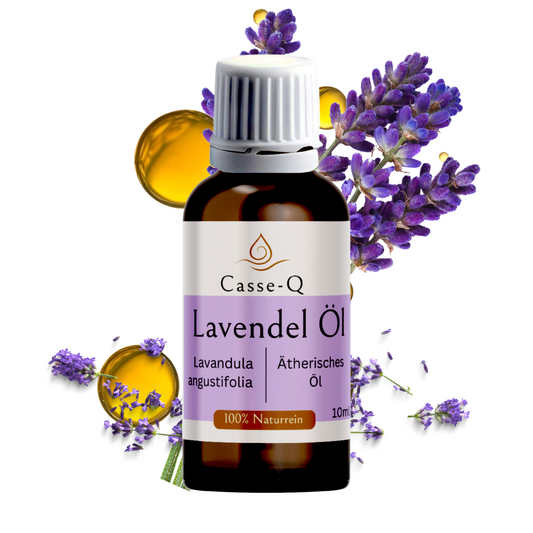
| Floral oils | lavender, ylang-ylang, chamomile | 3–4 years |
| Wood and resin oils | cedarwood, frankincense, patchouli | 5 years and more |
That last group is a genuine exception: cedarwood and patchouli often become rounder and fuller over the years. Anyone reading a blanket claim such as “keeps for up to five years” across an entire range should be sceptical – for a citrus oil it is simply not true.
Why amber glass
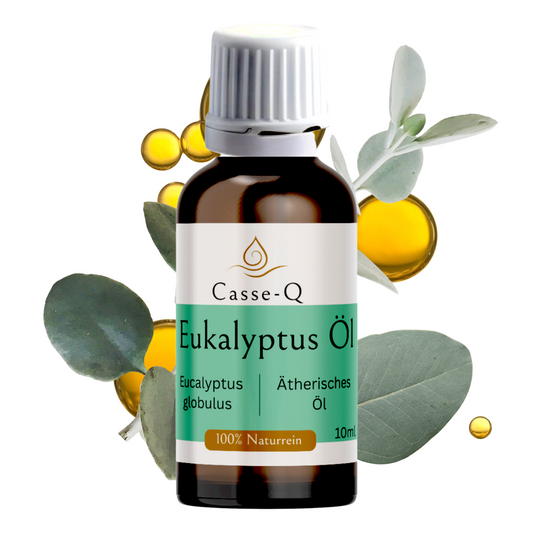
Amber glass filters out most of the UV light that drives oxidation. Blue and violet glass do the same; clear glass does not. An essential oil offered in a transparent bottle is a product that ages faster from day one.
The second factor is the closure. A tightly sealing screw cap with an orifice reducer lets very little air into the bottle while dosing. Pipettes with a rubber bulb are convenient, but the rubber swells over time and stops sealing – for long-term storage they are the weaker option.
The five most common storage mistakes
- Windowsill or near a radiator. The two together can halve shelf life quickly.
- Leaving the bottle open too long. Every minute open means oxygen. Open, dose, close.
- Keeping almost empty bottles. The more air stands in the neck, the faster it goes. Decant remnants into a smaller bottle.
- Decanting into plastic. Essential oils attack many plastics. Glass or aluminium, nothing else.
- The bathroom. Warm, damp, constantly changing temperatures – the second worst place after the windowsill.
Fridge: yes or no?
For citrus oils it is worthwhile if you use them rarely. Everything else is fine in a cupboard at room temperature. One thing matters: let bottles from the fridge come to room temperature before opening, otherwise condensation forms in the neck – and water is the last thing you want in the oil.
How to tell an oil has turned
The scent is the most reliable criterion. If it becomes acrid or metallic or recalls turpentine, the oil has oxidised. Further signs are a noticeably darker colour than at the start and a thicker consistency. An oxidised oil no longer belongs on the skin – for an oil burner in the hallway you can still use it up.
Frequently asked questions
How do I know how old my oil is?
Usually from the batch number on the label. The filling date is stored behind it and can be requested from the manufacturer.
Does the best-before date still apply after opening?
No. From the first opening the clock runs faster, because oxygen gets in regularly. As a rule of thumb: finish an opened citrus oil within a year.
Do blends go off faster?
They follow their most sensitive component. A blend containing lemon behaves like a citrus oil, even if wood oils are in it.
Can I freeze oils?
We advise against it. Some oils crystallise and do not recombine evenly on thawing.
All our oils come in amber glass with a screw cap and carry a batch number. To the overview.