Fennel Oil: Scent, Origin, Uses & Safety
Many people know fennel oil only by name – but almost everyone knows the scent, whether from fennel tea, fennel seeds in bread or the fresh bulb at the market. Essential fennel oil captures this fresh, slightly sweet anise note in concentrated form and is a lovely addition to herbal and citrus blends. Here you'll learn what fennel oil is, how it smells, how to use it and what to keep in mind for safety.
What is fennel oil?
Fennel oil is the essential oil from the seeds of fennel (Foeniculum vulgare). The plant belongs to the carrot family (Apiaceae) and is related to anise, dill, caraway and coriander. Originally at home in the Mediterranean, fennel is now grown in many parts of Europe. Our oil is obtained by steam distillation of the seeds and comes from Europe.
Fennel has accompanied European culture since antiquity: the Romans used it as a spice, and it was a fixture of medieval monastery gardens. Today we know two forms of the same species: Florence fennel, whose bulb is eaten as a vegetable, and seed fennel, whose seeds go into bread spice, tea and Italian salsiccia. The seeds are used for the essential oil.
Fennel, anise and dill – what's the difference?
All three belong to the carrot family, but they smell different. Fennel and anise share the sweet anise note, with fennel being fresher and a little more herbaceous. Our star anise oil smells similar but comes from a tree in an entirely different plant family. Dill seed oil, on the other hand, is spicier and more reminiscent of caraway.
The scent: fresh, sweet, anise-like
Fennel oil belongs to the spicy-herbaceous fragrance family. The top note is fresh and clear with a distinct anise character. In the heart it turns sweeter and recalls crushed fennel seeds or freshly brewed fennel tea. The dry-down leaves a slightly herbaceous, green warmth.
Compared with star anise, fennel is lighter and airier – less Christmas, more herb garden. That's why it pairs well with citrus oils, rosemary and mint, giving these blends a gently sweet roundness. On its own, fennel oil is quite strong, so less is often more: one or two drops are usually enough to keep the anise note pleasantly in the background.
Ways to use fennel oil
- In a diffuser: 2–3 drops for a fresh, slightly sweet room fragrance. More on dosing and run times in our diffuser guide.
- In an oil burner: add 2–3 drops to the water bowl – a fresh note for the kitchen, living room or workspace.
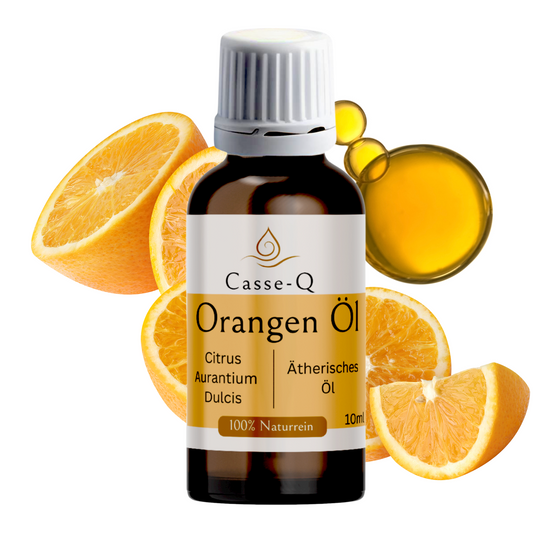
- In a room spray: 5 drops of fennel oil and 10 drops of lemon oil in 100 ml water with a splash of high-proof alcohol. Shake before spraying.
- In a sauna infusion: 1–2 drops per litre of infusion water, stirred well and never directly onto the hot stones. Tips in our sauna guide.
- As a massage oil blend: no more than 2–3 drops per 10 ml of almond oil or jojoba oil – after a patch test and not during pregnancy or breastfeeding.
- For scented candles: as a fresh fragrance component in homemade candles.
Scent blends with fennel oil
Fennel brings freshness and a light sweetness to herbal and citrus blends. Three recipes for your diffuser:
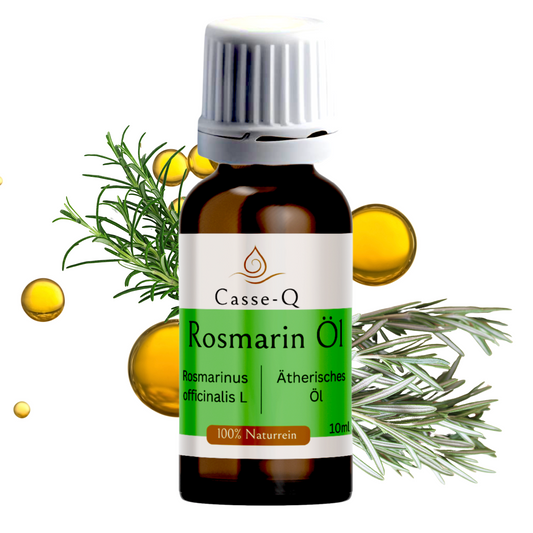
- Herb garden: 2 drops fennel oil, 2 drops rosemary oil, 4 drops lemon oil
- Fresh morning: 2 drops fennel oil, 1 drop peppermint oil, 4 drops lime oil
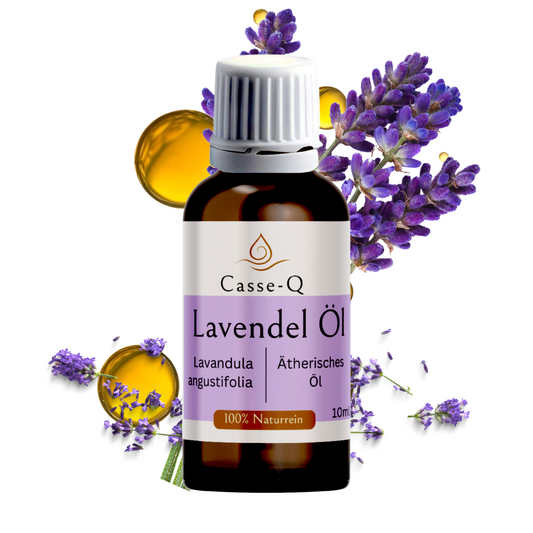
- Gentle spice: 1 drop fennel oil, 1 drop coriander seed oil, 3 drops lavender oil, 2 drops bergamot oil
Tip: fennel gets along with almost every citrus oil. If a blend becomes too sweet, a drop of rosemary or mint balances it out.
Safety information
- Highly concentrated: never apply fennel oil neat to the skin. It can cause skin irritation, allergic skin reactions and serious eye irritation. For skin use, always dilute (2–3 drops per 10 ml of carrier oil) and do a patch test on the inside of your elbow first.
- Observe the hazard statements: according to its labelling, the oil is suspected of causing genetic defects and cancer and may cause damage to organs. Use it sparingly, only in well-ventilated rooms, and avoid prolonged or repeated direct contact.
- Do not use during pregnancy or breastfeeding.
- Do not ingest: may be fatal if swallowed and enters airways. In an emergency, immediately call a poison centre or a doctor; do not induce vomiting.
- Children: store locked up and out of the reach of children.
- Pets: cats in particular are sensitive to essential oils. More in our guide Essential oils and pets.
- Environment: very toxic to aquatic life – do not pour leftovers down the drain.
Buying fennel oil: what to look for
- Botanical name: the label should say Foeniculum vulgare.
- 100% pure: no carrier oil, alcohol or synthetic fragrance.
- Origin and batch number: both should be stated.
- Amber glass: protects the oil from light. How to store it properly is explained in Storing essential oils.
You'll find more criteria in Buying essential oils: how to recognise quality. Our fennel oil is 100% pure, steam-distilled from the seeds of Foeniculum vulgare from Europe, hand-filled in Germany and available in 10, 50, 100, 500 and 1000 ml – up to 100 ml in amber glass with a dropper.
Frequently asked questions about fennel oil
What does fennel oil smell like?
Fresh and slightly sweet, with a characteristic anise note and a herbaceous, green finish.
Can you use fennel oil for cooking?
No. Our essential fennel oil is intended for room fragrance and diluted external use and is not for consumption. For cooking, use fennel seeds or a fresh fennel bulb.
Is fennel oil the same as fennel tea?
No. Tea is made by brewing the dried seeds. Essential fennel oil is a highly concentrated, distilled essence and is not meant for drinking.
How many drops of fennel oil for a diffuser?
2–3 drops on their own; in blends 1–2 drops alongside other oils.
What blends well with fennel oil?
Lemon, lime, bergamot, rosemary, peppermint, lavender and coriander seed.
Can I use fennel oil during pregnancy?
No. According to the product labelling, fennel oil should not be used during pregnancy or breastfeeding.
🌿 Casse-Q – Natural oils with character
Fresh, clear and a little sweet: discover our fennel oil, 100% pure and hand-filled in Germany.