
Citrus Oils
Bright, zesty, with a short finish: citrus oils are the easiest way into essential oils – affordable, well tolerated and suited to almost anywhere.
They are cold-pressed from the fruit peel and fade faster than woody oils. That makes them the scent for the morning and for freshly aired rooms.
-
Sweet Orange Oil
Regular price From €6,95 EURRegular priceUnit price €695,00/L -
Lemongrass Oil
Regular price From €6,95 EURRegular priceUnit price €695,00/L -
Grapefruit oil / grapefruit oil
Regular price From €6,95 EURRegular priceUnit price €695,00/L -
Lemon Eucalyptus Oil (Eucalyptus citriodora)
Regular price From €9,95 EURRegular priceUnit price €995,00/L -
Bergamot Oil
Regular price From €6,95 EURRegular priceUnit price €695,00/L -
Litsea Cubeba Oil / May Chang Oil
Regular price From €6,95 EURRegular priceUnit price €695,00/L
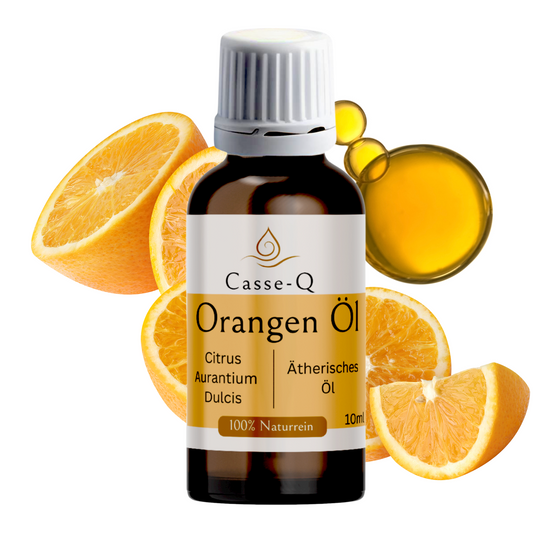
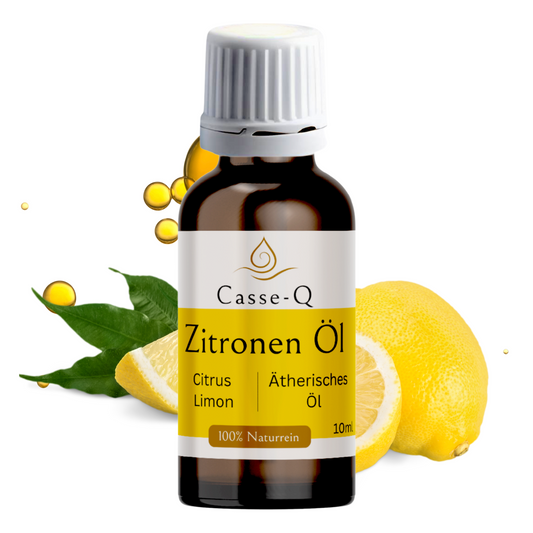

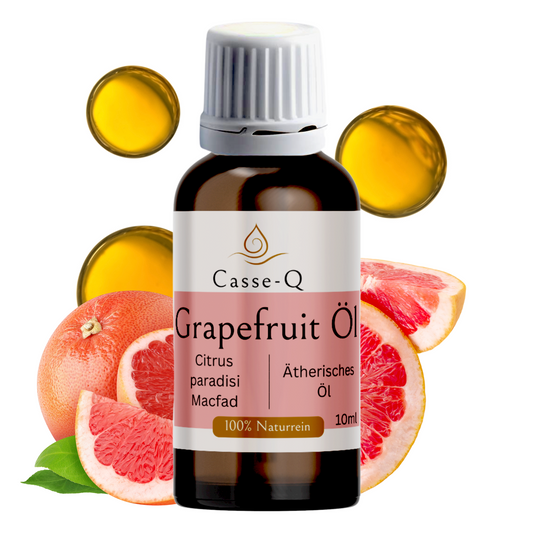


Citrus oils are among the most popular essential oils – and the most accessible. They smell of what everyone knows, are mild in use and cost a fraction of what floral or resin oils command. Anyone starting out with essential oils almost always starts here.
What makes citrus oils distinctive
Almost all citrus oils are obtained by cold-pressing the fruit peel, not by distillation. This preserves the zesty freshness but also makes them more sensitive: they oxidise faster than other oils and should be used up within a year. In the scent pyramid they are top notes – immediately present, but fleeting. After twenty to thirty minutes they've faded, which is why they suit the morning and rooms you air regularly anyway.
Which citrus oil for what?
- Lemon – clean and clear, the classic for kitchen and study.
- Orange – sweet and round, the most tolerable and child-friendly of the family.
- Grapefruit – tart and fresh, a little drier than orange.
- Bergamot – floral and fine, the most elegant citrus note.
- Lime – sharp and green, zestier than any other.
For a citrus note without the phototoxicity, reach for Litsea Cubeba – botanically not a citrus oil, but lemony in scent and free of furocoumarins.
The most important safety note: phototoxicity
Cold-pressed citrus oils contain furocoumarins and are phototoxic. Applied to the skin and then exposed to the sun, they can cause irritation and discolouration. The rule is simple: after applying, avoid direct sun for twelve hours. For scenting rooms and objects it doesn't matter – only for skin use. Bergamot is the most intense case here, orange the mildest.
Shelf life and storage
Citrus oils are the shortest-lived in the range. Oxygen and light take their toll; an oxidised citrus oil smells flat and slightly rancid. Store cool, dark and tightly closed, prefer small bottles and use up within a year. If you scent a lot around the house, reach for Litsea Cubeba in a larger size.
Frequently asked questions
Why are citrus oils phototoxic?
Because they are cold-pressed and contain furocoumarins from the peel. These react with UV light. Twelve hours away from the sun after skin contact is enough.
Which citrus oil is the mildest?
Orange. It is sweet, well tolerated and the obvious choice for children's rooms and beginners.
Why does the scent fade so quickly?
Citrus oils are top notes with a high vapour pressure. If you want something to last, combine them with a woody base note like cedar wood.
How long do citrus oils keep?
About a year. They oxidise faster than woody or resinous oils. Store cool and dark.
Can I use citrus oils in the kitchen?
Some are suitable – please check the individual product page. More on this under Culinary Aromatics.
More scent families
-

Citrus Oils
Citrus oils are among the most popular essential oils – and the...
-

Herbal & Green Oils
Herbal and green oils are the most versatile family in the range...
-

Wood & Resin Oils
Wood and resin oils are the base notes among essential oils –...
-

Floral Oils
Floral oils are the smallest family in the range – and the...
-

Spiced Oils
Spicy oils are the most characterful family in the range – warm,...
-

Essential Oil Blends
Essential oil blends – ready-made scent compositionsWhy blend your own when we...


