
Essential oils – over 60 varieties, all pure
From lavender to lovage, from €6.95 into three figures: our range runs from everyday oils to rarities. What they all have in common is on the label – botanical name, country of origin, extraction method, batch number.
If you're not sure what you're looking for, start with the scent family.
Browse by scent family
-

Citrus Oils
Citrus oils are among the most popular essential oils – and the...
-

Herbal & Green Oils
Herbal and green oils are the most versatile family in our range...
-

Wood & Resin Oils
Wood and resin oils are the base notes among essential oils –...
-

Floral Oils
Floral oils are the smallest family in the range – and the...
-

Spiced Oils
Spicy oils are the most characterful family in the range – warm,...
-

Essential Oil Blends
Essential oil blends – ready-made scent compositionsWhy blend your own when we...


-
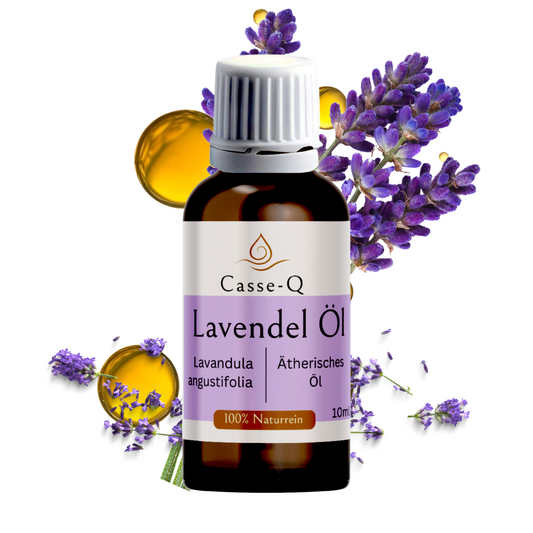
Lavender Oil
Regular price From €6,95 EURRegular priceUnit price €695,00/L -
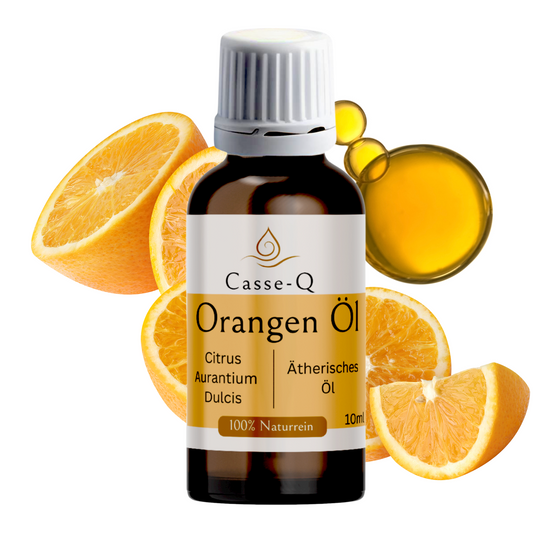
Sweet Orange Oil
Regular price From €6,95 EURRegular priceUnit price €695,00/L -
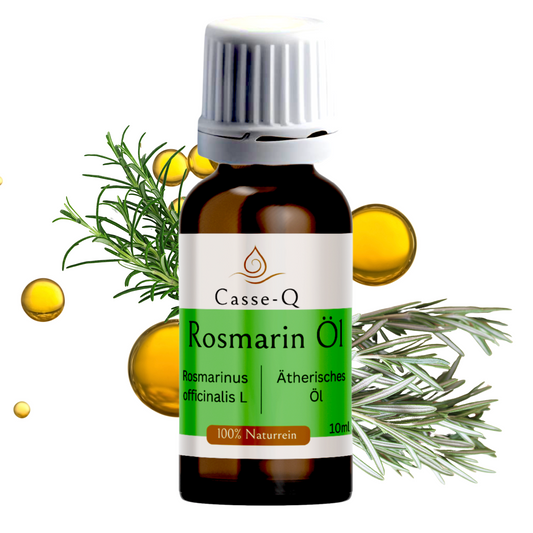
Rosemary Oil
Regular price From €6,95 EURRegular priceUnit price €695,00/L -
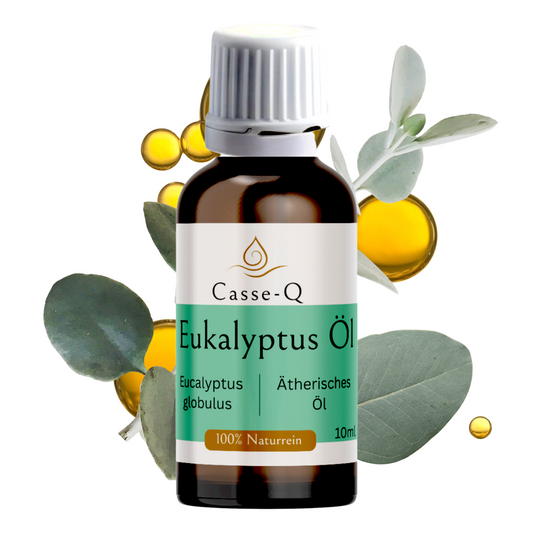
Eucalyptus oil / Eucalyptus Oil
Regular price From €6,95 EURRegular priceUnit price €695,00/L -
Swiss Stone Pine Oil
Regular price From €9,95 EURRegular priceUnit price €995,00/L -
Forest Love: Juniper, Cedarwood, Nutmeg, Lemon
Regular price From €9,95 EURRegular priceUnit price €995,00/L -
Peppermint Oil
Regular price From €6,95 EURRegular priceUnit price €695,00/L -
Fresh Spirit: Lavender, Peppermint, Eucalyptus, Lemon, Lemongrass
Regular price From €9,95 EURRegular priceUnit price €995,00/L -
Frankincense Oil / Frankincense Oil (Olibanum)
Regular price From €7,95 EURRegular priceUnit price €795,00/L -
Cedarwood Oil (Atlas)
Regular price From €6,95 EURRegular priceUnit price €695,00/L -
Winter Warmth: Cassia, Clove, Orange, Swiss Stone Pine
Regular price From €9,95 EURRegular priceUnit price €995,00/L -
Herbal Breeze: Eucalyptus, Thyme, Peppermint, Rosemary
Regular price From €9,95 EURRegular priceUnit price €995,00/L -
Tea Tree Oil
Regular price From €6,95 EURRegular priceUnit price €695,00/L -
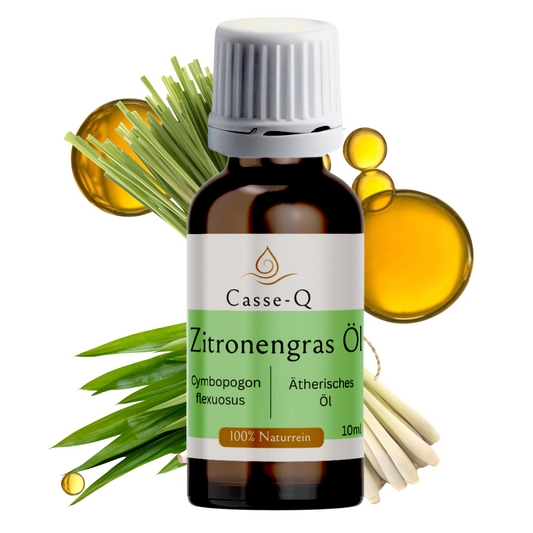
Lemongrass Oil
Regular price From €6,95 EURRegular priceUnit price €695,00/L -
Starlight: Star Anise, Orange, Grapefruit, Cardamom
Regular price From €12,95 EURRegular priceUnit price €1.295,00/L -
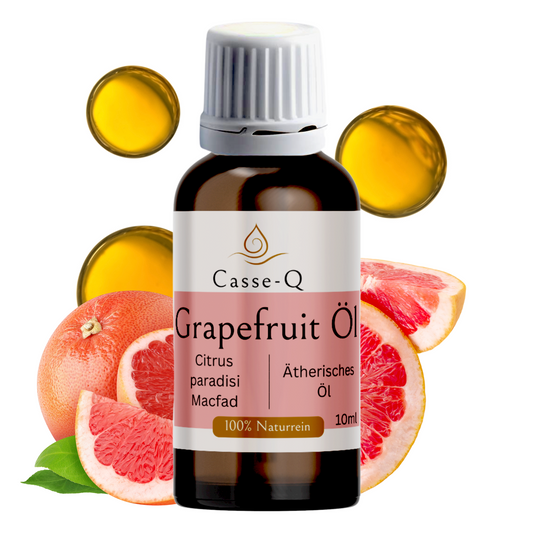
Grapefruit oil / grapefruit oil
Regular price From €6,95 EURRegular priceUnit price €695,00/L -
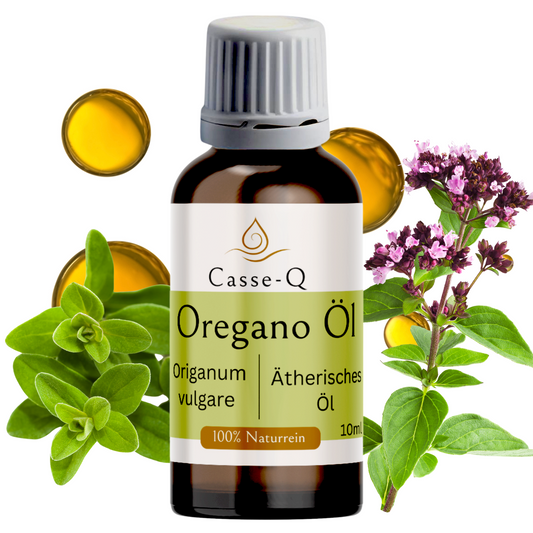
Oregano Oil
Regular price From €7,95 EURRegular priceUnit price €795,00/L -
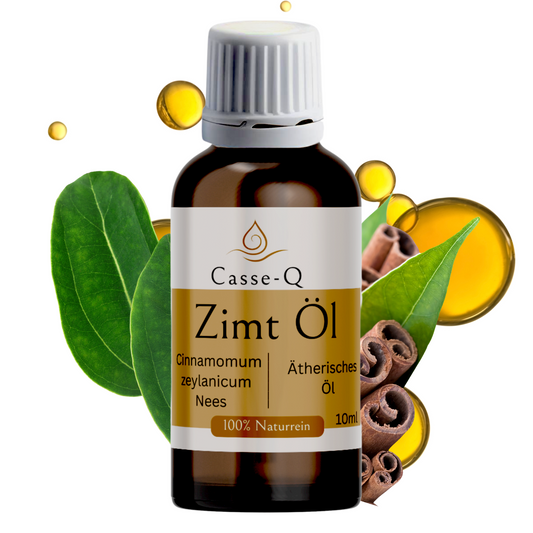
Cinnamon Leaf Oil
Regular price From €6,95 EURRegular priceUnit price €695,00/L -
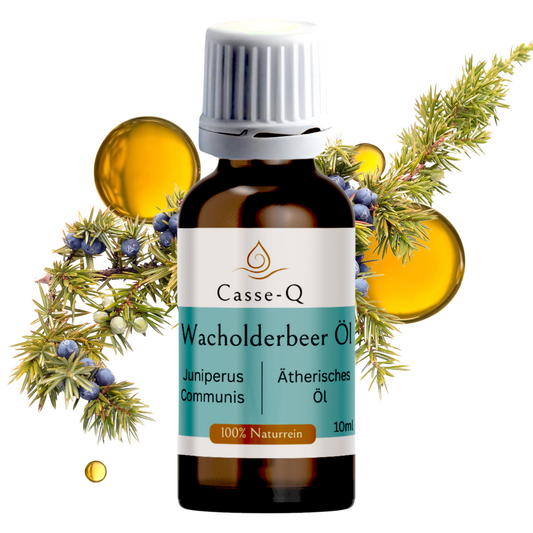
Juniperberry Oil
Regular price From €6,95 EURRegular priceUnit price €695,00/L -
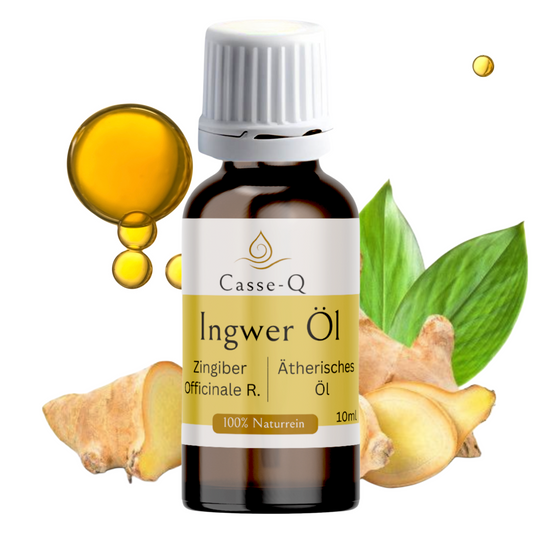
Ginger Oil
Regular price From €6,95 EURRegular priceUnit price €695,00/L -
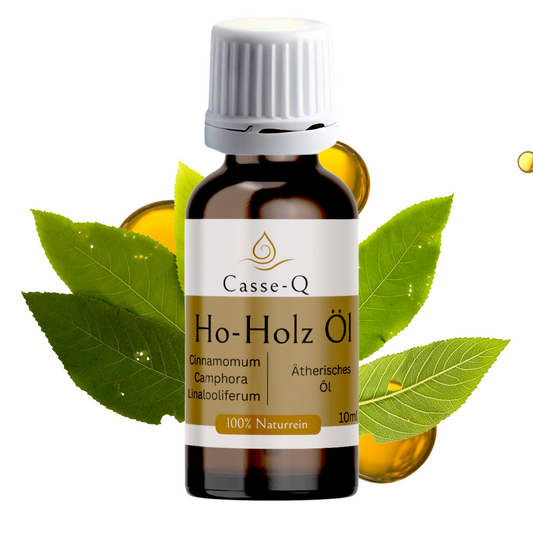
Ho-Wood Oil
Regular price From €6,95 EURRegular priceUnit price €695,00/L
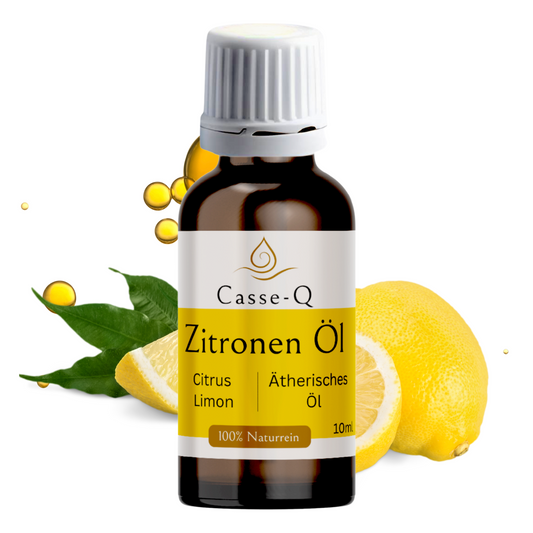
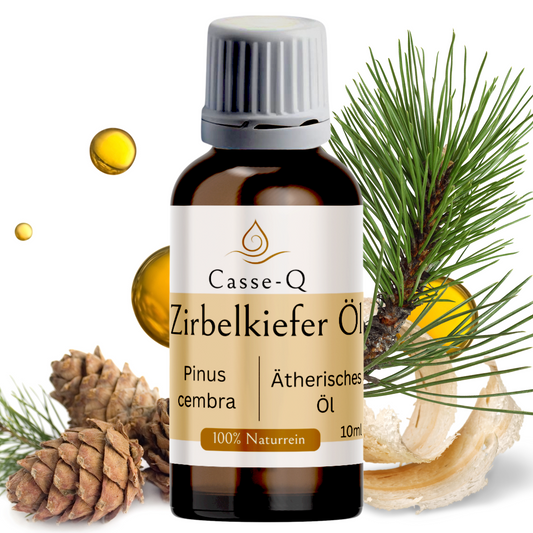

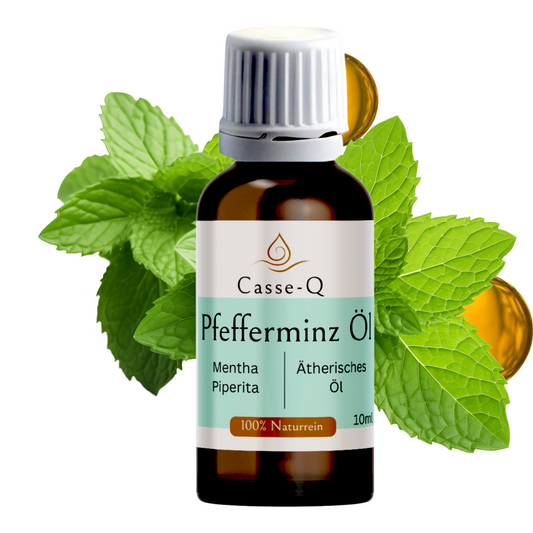
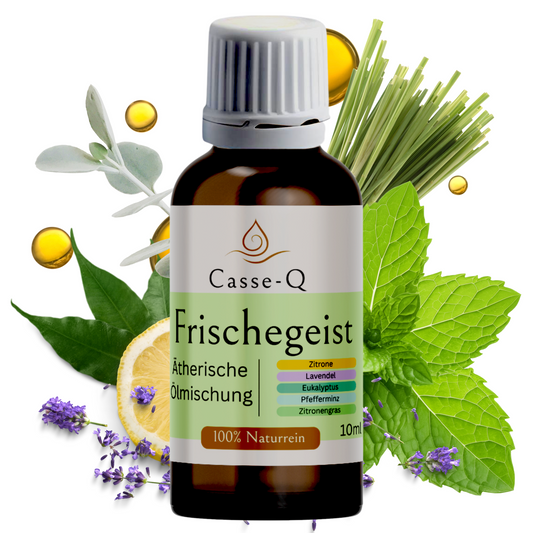
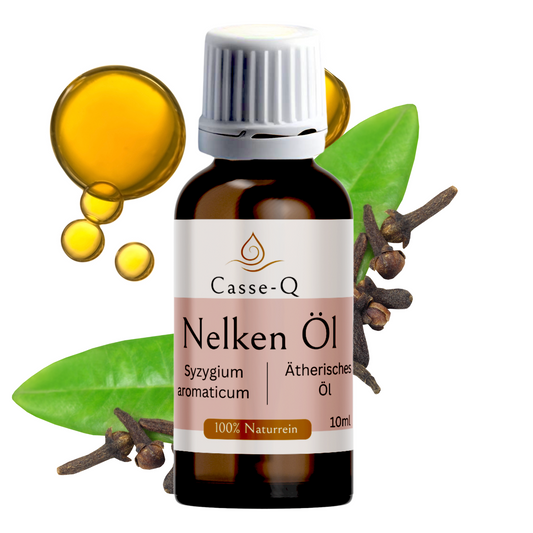
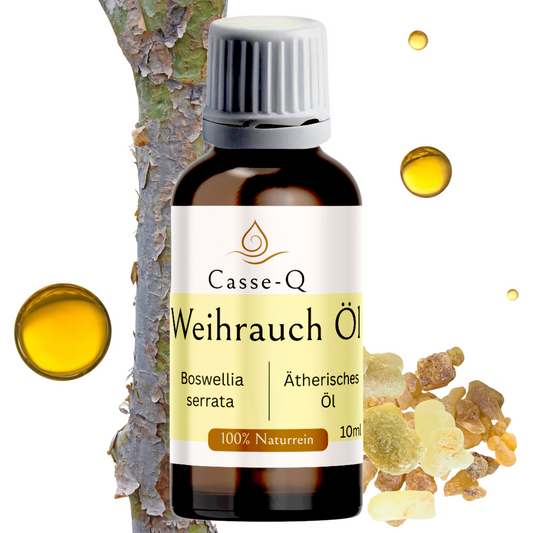
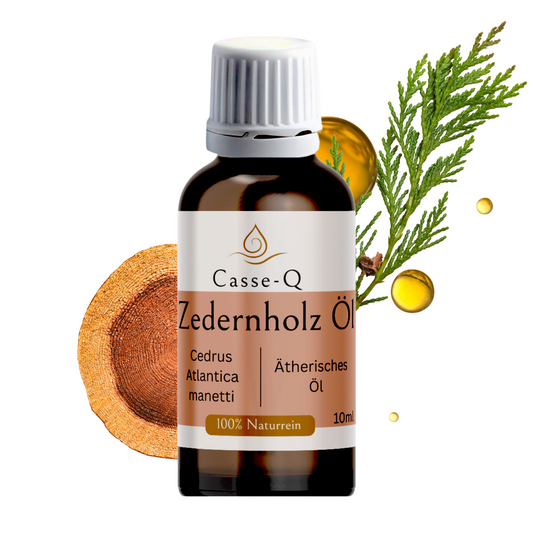


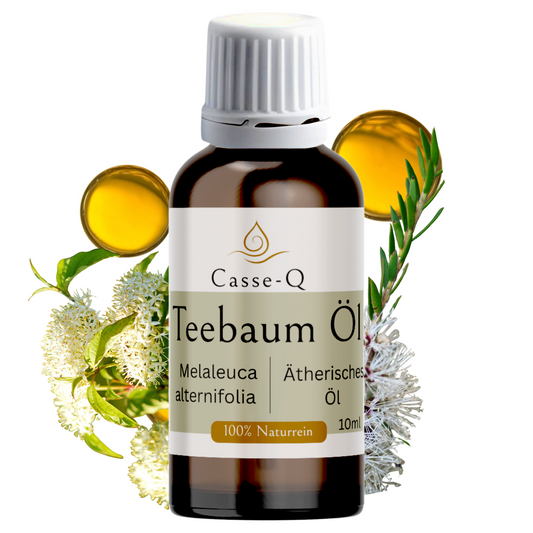

Can't decide? The starter set

fresh & invigorating
Power Oasis
Myrtle, grapefruit and ginger – bright, dry-spiced and there immediately. Like a deep breath in a coastal forest. The counterpoint to everything that works in the evening.

deep, grounding & clear
Forest love
Cedarwood, juniper, nutmeg and lemon come together in a forest composition with a long trail – earthy, clear and still. A blend that stays pleasant even over longer run times.

floral & light
Floral Magic
Ylang-ylang lends depth, elemi brings a fine resinous note, lemon provides clarity. Floral and sweet with a fresh lightness – for anyone who likes floral without the weight.

fresh & clear
Herb Wind
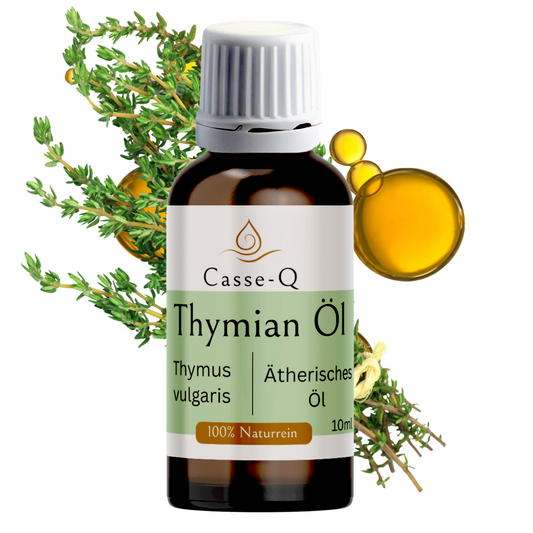
Eucalyptus, peppermint, thyme and rosemary make a clear herbal blend with a pleasantly cooling character – like a deep breath of mountain air. Also a classic as a sauna infusion.
Our blends
-
Forest Love: Juniper, Cedarwood, Nutmeg, Lemon
Regular price From €9,95 EURRegular priceUnit price €995,00/L -
Fresh Spirit: Lavender, Peppermint, Eucalyptus, Lemon, Lemongrass
Regular price From €9,95 EURRegular priceUnit price €995,00/L -
Winter Warmth: Cassia, Clove, Orange, Swiss Stone Pine
Regular price From €9,95 EURRegular priceUnit price €995,00/L -
Herbal Breeze: Eucalyptus, Thyme, Peppermint, Rosemary
Regular price From €9,95 EURRegular priceUnit price €995,00/L
Naturreine Ätherische Öle entdecken
Die unverfälschte Kraft der Natur erleben
Pflanzenextrakte begleiten die Menschheit seit Jahrtausenden als natürliche Quelle für Wohlbefinden und harmonische Raumdüfte. Hochwertige naturreine ätherische Öle enthalten die konzentrierte Essenz von Blüten, Blättern, Hölzern oder Harzen – ganz ohne künstliche Streckmittel. Über den Geruchssinn prägen diese Düfte auf ganz individuelle Weise die Atmosphäre eines Raumes. Wer Wert auf höchste Reinheit und nachhaltige Herstellung legt, findet in naturbelassenen Ölen eine wunderbare Möglichkeit, den Alltag natürlicher und duftender zu gestalten.
Vielfältige Anwendungsmöglichkeiten entdecken
Ob zur Raumluftverbesserung im Diffuser, als duftender Zusatz für ein Vollbad oder zur Herstellung eigener Kosmetikprodukte: Der Einsatzbereich ist nahezu unbegrenzt. Wenn Personen hochwertige ätherische Öle kaufen, entscheiden sie sich für ein flexibles Naturprodukt, das individuell dosiert werden kann. Von belebenden Zitrusnoten über klärendes Nadelholz bis hin zu ausgleichenden Blütendüften lässt sich für jede Lebenslage die passende Essenz finden. Die gezielte Kombination verschiedener Öle erlaubt es zudem, ganz persönliche Duftkompositionen für das eigene Zuhause zu kreieren.
Bequem bestellen im Fachgeschäft im Netz
Um aus der großen Auswahl die besten Essenzen auszuwählen, lohnt sich der Besuch in einem spezialisierten Fachhandel. In unserem ätherische Öle Online Shop bieten wir dir eine transparente Übersicht über Herkunft, Gewinnung und Duftprofil aller Produkte – inklusive botanischem Namen und Chargennummer auf jedem Etikett. Du profitierst von geprüfter Qualität und kannst deine Lieblingsdüfte ganz entspannt von zu Hause aus auswählen. Tauche ein in die faszinierende Welt der Düfte, erfahre mehr über Herkunft und Besonderheiten der einzelnen Pflanzen und bereichere dein Zuhause mit reiner Naturkraft.
Auswahlkriterien für den digitalen Erwerb ätherischer Öle
Wenn Du Dir die Frage stellst: „Ich möchte naturreine ätherische Öle kaufen, worauf muss ich beim Online-Kauf achten und welche Anbieter sind empfehlenswert?“, stehen Transparenz und Fachkompetenz an erster Stelle. Empfehlenswerte Anbieter zeichnen sich durch detaillierte Produktdeklarationen aus, die den botanischen Namen, das Ursprungsland, das Anbauverfahren sowie das Destillationsverfahren transparent angeben. Zudem gibt die Zertifizierung der Inhaltsstoffe Aufschluss über die physikalisch-chemische Qualität des Produkts. Seriöse Shops bieten vollständige Sicherheitsdatenblätter und verzichten auf unklare Marketingbegriffe, um Verbrauchern eine verlässliche Orientierung bei der Produktauswahl im E-Commerce zu ermöglichen.
Differenzierung zwischen synthetischen Aromen und Pflanzendestillaten
Für die fundierte Produktauswahl ist essenziell zu verstehen, was der Unterschied zwischen synthetischem Duftöl und naturreinen ätherischen Ölen ist. Synthetische Duftöle werden im Labor aus petrochemischen Ausgangsstoffen zusammengesetzt und imitationsartig auf einzelne Geruchsträger reduziert. Sie besitzen keine komplexen pflanzlichen Wirkstoffprofile und enthalten oft Phthalate als Fixateure. Naturreine ätherische Öle hingegen sind unverfälschte Stoffgemische aus organischen Molekülen, die durch Wasserdampfdestillation oder Kaltpressung direkt aus Pflanzenorganen gewonnen werden. Diese sekundären Pflanzenstoffe interagieren über das olfaktorische System mit dem menschlichen Organismus.
Prüfmerkmale für unverdünnte Pflanzenqualität
Um genau zu bestimmen, woran Du erkennst, dass ein ätherisches Öl wirklich 100 Prozent naturrein und hochwertig ist, dienen fünf konkrete Kennzeichnungsmerkmale auf dem Etikett als Prüfstandard. Neben dem lateinischen Pflanzennamen muss der Begriff „100 % naturreines ätherisches Öl“ explizit aufgeführt sein, was jegliche Streckung mit Trägerölen oder synthetischen Zusätzen ausschließt. Weitere Qualitätsindikatoren sind die Ausweisung des verwendeten Pflanzenteils, die Angabe der Chargennummer sowie das Haltbarkeitsdatum. Lichtgeschützte Braunglasflaschen mit Kindersicherungsverschluss und integriertem Tropfeinsatz garantieren zudem die thermische und chemische Stabilität der empfindlichen Terpene.
