Summer Scents
Different rules apply outdoors. No room holds the scent, warmth speeds up evaporation, and the slightest breeze carries away what would linger for hours indoors.
This selection is tuned for open air: citrusy and light for immediacy, with a woody base that doesn't vanish the moment it warms up.
-
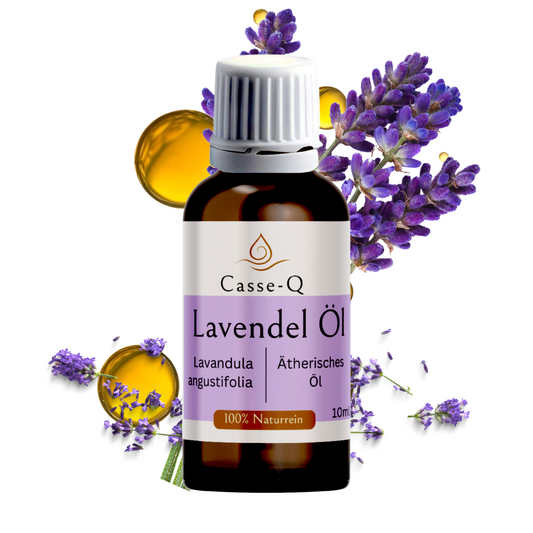
Lavender Oil
Regular price From €6,95 EURRegular priceUnit price €695,00/L -
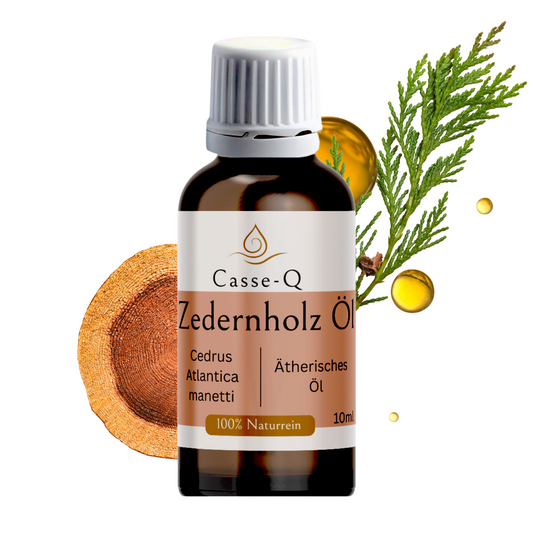
Cedarwood Oil (Atlas)
Regular price From €6,95 EURRegular priceUnit price €695,00/L -
Lemongrass Oil
Regular price From €6,95 EURRegular priceUnit price €695,00/L -
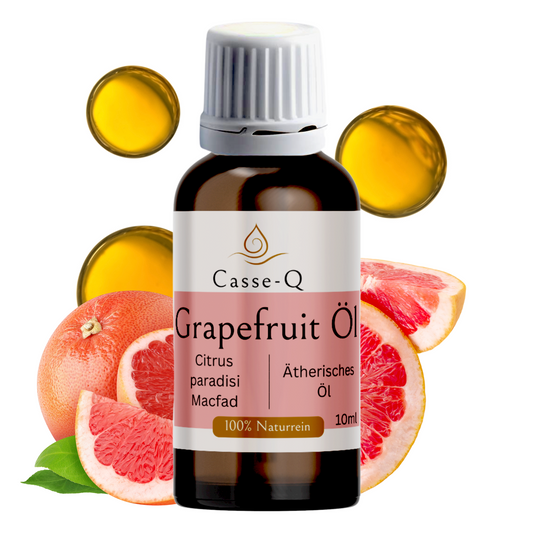
Grapefruit oil / grapefruit oil
Regular price From €6,95 EURRegular priceUnit price €695,00/L -
Lemon Eucalyptus Oil (Eucalyptus citriodora)
Regular price From €9,95 EURRegular priceUnit price €995,00/L -
Patchouli Oil
Regular price From €8,95 EURRegular priceUnit price €895,00/L -
Litsea Cubeba Oil / May Chang Oil
Regular price From €6,95 EURRegular priceUnit price €695,00/L



Different rules apply outdoors. No room holds the scent, warmth speeds up evaporation, and the slightest breeze carries away what would linger for hours indoors. Use the same oil on the terrace in summer as in the living room in February and you'll usually smell nothing – or the wrong thing.
This selection is tuned for open air: citrusy and light for immediacy, with a woody base that doesn't vanish the moment it warms up.
Scent outdoors – what works
The most common mistake is dosing. Indoors, five drops cover twenty square metres; outdoors the same amount is gone in minutes. But the answer isn't simply more oil – it's the right method.
Scent stones and felt pads. The most practical option on a table. Three to five drops on a porous stone, topped up every one to two hours. The scent stays perceptible close by, which is exactly right outdoors – room-filling fragrance in the open air is an illusion anyway.
Terracotta and unglazed ceramic. A plant pot or saucer absorbs oil well and releases it over hours. The warmer it is, the faster.
Lantern with a water dish. A shallow dish of water with five to eight drops, placed upwind. In the warmth the water evaporates and carries the scent with it.
Cotton cloth or cord. A few drops on a fabric band, tied to the awning or parasol. Always test on an inconspicuous spot first – oils can leave stains on textiles.
What doesn't work: an ultrasonic diffuser outdoors. The fine mist is blown away immediately, and the device isn't built for moisture and dust.
Important with citrus oils: lime and grapefruit are cold-pressed and phototoxic. On skin, keep twelve hours away from the sun. For scenting objects it makes no difference. If you want a citrus note for skin in summer, use litsea cubeba – lemony, but free of furocoumarins.
Why citrus behaves differently outdoors
Citrus oils are top notes – they evaporate quickly and are therefore there immediately. Indoors that's a drawback, because they're gone after half an hour. Outdoors it's exactly right, because nothing lasts long there anyway. Lemongrass and lemon eucalyptus are the most intense here, lime and grapefruit the lighter ones.
If you want something to carry through the evening, you need a base note alongside. Cedarwood and patchouli are the heaviest oils in the range and the only ones that really hold up outdoors. A proven combination on a scent stone: three drops of lemongrass, two of cedarwood.
The summer evening as a scent moment
Between sunset and night the temperature drops, humidity rises, and the wind often settles. That's the best time for scent outdoors – what disappears instantly during the day now holds for a good while. Lavender comes into its own in that hour, Mediterranean and without the weight it sometimes has in closed rooms.
Frequently asked questions
Which essential oils suit summer?
Citrusy and light oils. Lemongrass, lemon eucalyptus, lime, grapefruit and litsea cubeba are bright and immediately present – which matters more outdoors than lasting power.
How do you scent outdoors at all?
Via scent stones, unglazed ceramic, a shallow dish of water or a fabric band. An ultrasonic diffuser doesn't work outdoors – the mist is blown away.
Why do you smell so little outdoors?
The walls are missing. Indoors, scent gathers under the ceiling; outdoors it disperses in every direction at once and is carried off by the wind. That's why you scent a table locally rather than an area broadly.
Are citrus oils a problem in summer?
On skin yes, if sun follows: cold-pressed citrus oils contain furocoumarins and are phototoxic. Keep twelve hours' distance. This doesn't apply to scent stones and objects.
How often do I need to top up?
Outdoors every one to two hours, depending on warmth and wind. A woody base note extends that considerably.
Our blends
-
Forest Love: Juniper, Cedarwood, Nutmeg, Lemon
Regular price From €9,95 EURRegular priceUnit price €995,00/L -
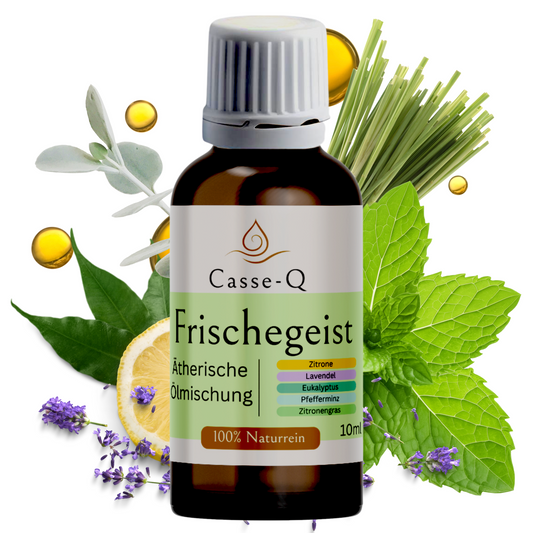
Fresh Spirit: Lavender, Peppermint, Eucalyptus, Lemon, Lemongrass
Regular price From €9,95 EURRegular priceUnit price €995,00/L -
Herbal Breeze: Eucalyptus, Thyme, Peppermint, Rosemary
Regular price From €9,95 EURRegular priceUnit price €995,00/L -
Winter Warmth: Cassia, Clove, Orange, Swiss Stone Pine
Regular price From €9,95 EURRegular priceUnit price €995,00/L