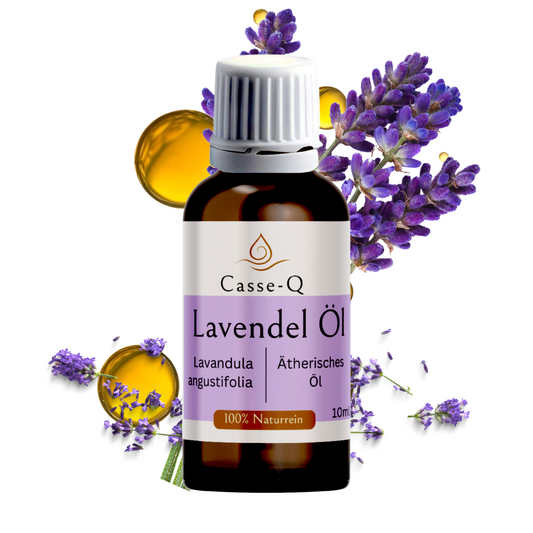
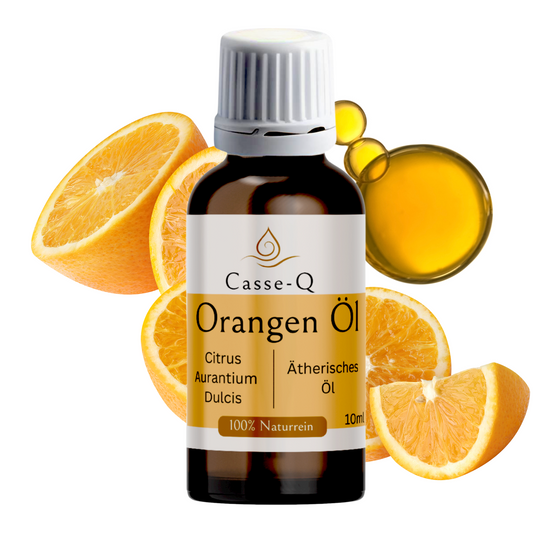
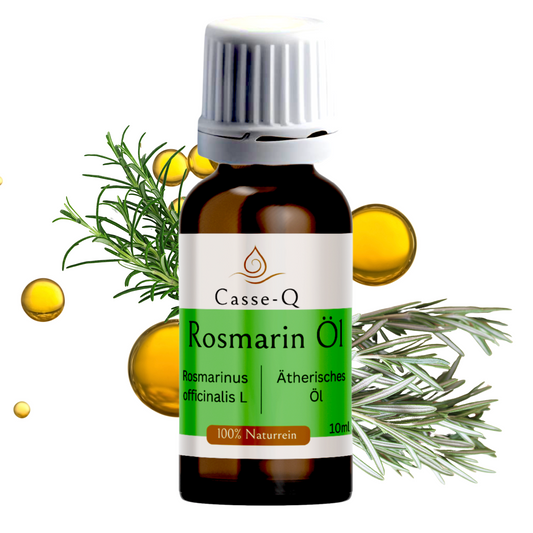
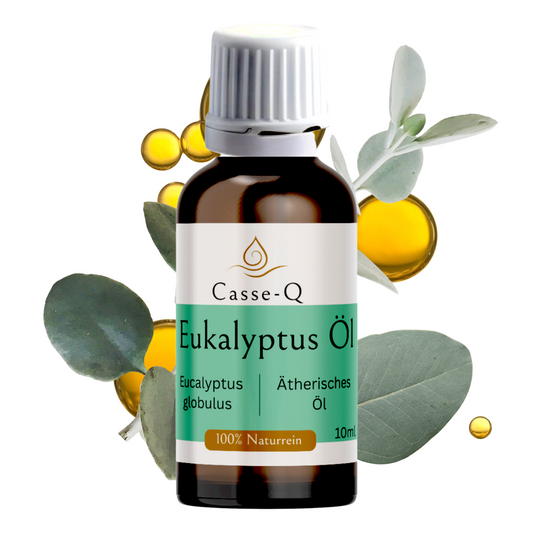
Essential oils at a glance ✨
An essential oil is a highly concentrated, highly volatile plant extract that contains the characteristic fragrance and many of the active ingredients of a plant.
Key characteristics
- Derived from plants: e.g., from leaves, flowers, bark, fruits, or roots.
- Highly concentrated: Just a few drops contain the aromatic compounds of many plants.
- Volatile: Evaporate easily, releasing their intense fragrance.
- Extraction methods: usually steam distillation, cold pressing (e.g., citrus oils), or less commonly solvent extraction.
What are they used for?
- Aromatherapy
- Cosmetics and personal care
- Room fragrance and wellness
- Partially also in natural medicine and household applications
How do pure essential oils differ from fragrance oils?
🌿 Pure Essential Oils vs. Fragrance Oils – What's the Difference?
At Casse-Q, we value transparency – especially when it comes to fragrance products. But not every "fragrance oil" is the same.
Pure essential oils
- 100% derived from plants (flowers, leaves, bark, resin, or fruits)
- Contain the valuable ingredients of the plant
- Have an aromatherapeutic effect: calming, invigorating, clarifying
- Can be used for massage, skin care (diluted), and aromatherapy
- Often higher in price due to the complex extraction process
Fragrance oils
- Artificially or partially synthetically produced
- Serve exclusively for fragrance – without therapeutic effect
- Wide range of fragrances possible ("Vanilla Crescent," "Fresh Laundry," "Summer Meadow")
- Cheaper and more stable in scent than pure oils
- Skin contact only if explicitly permitted by the manufacturer
💡 Key takeaway:
Pure essential oils smell natural and have an effect, while fragrance oils smell strong and varied, but have no plant-based effect.