Wellness & Wellbeing
A scent can't end your working day. But it can mark that the day has ended.
The oils here were chosen for being easy to live with over longer stretches – nothing that becomes tiring after ten minutes.
-
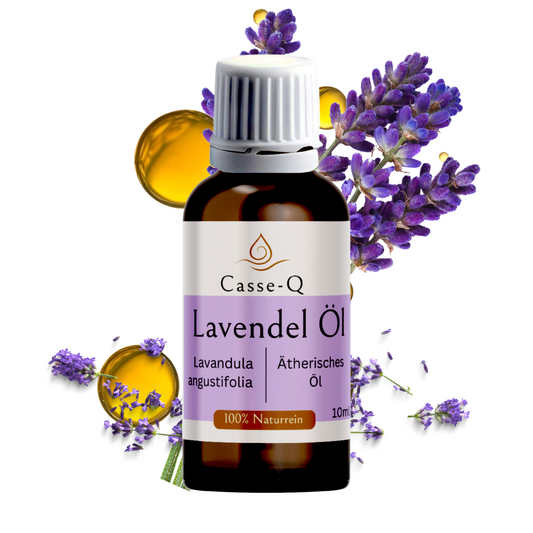
Lavender Oil
Regular price From €6,95 EURRegular priceUnit price €695,00/L -
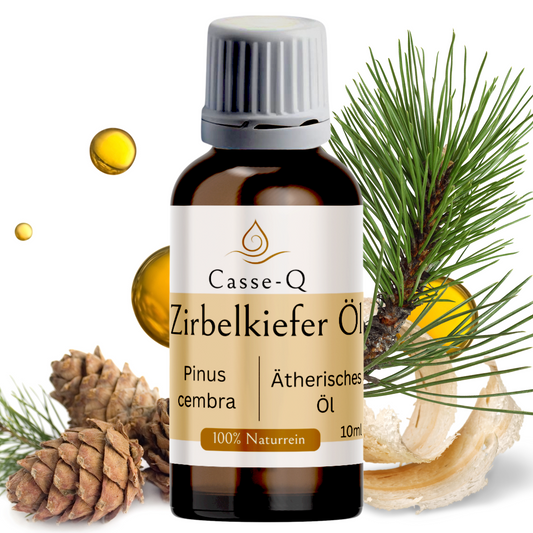
Swiss Stone Pine Oil
Regular price From €9,95 EURRegular priceUnit price €995,00/L -
Forest Love: Juniper, Cedarwood, Nutmeg, Lemon
Regular price From €9,95 EURRegular priceUnit price €995,00/L -
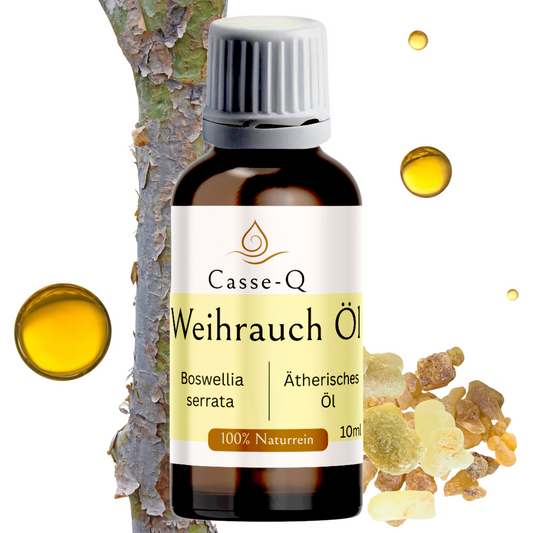
Frankincense Oil / Frankincense Oil (Olibanum)
Regular price From €7,95 EURRegular priceUnit price €795,00/L -
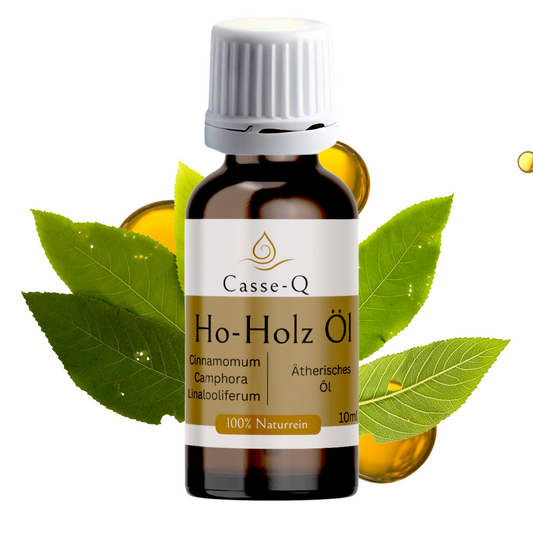
Ho-Wood Oil
Regular price From €6,95 EURRegular priceUnit price €695,00/L -
Joy of Life: Ho Wood, Ylang-Ylang, Lemon Eucalyptus
Regular price From €9,95 EURRegular priceUnit price €995,00/L -
Sunlit Calm: Lavender, Lemon, Orange
Regular price From €9,95 EURRegular priceUnit price €995,00/L -
Myrtle Oil
Regular price From €12,95 EURRegular priceUnit price €1.295,00/L -
Vital Oasis: Myrtle, Grapefruit, Ginger
Regular price From €14,95 EURRegular priceUnit price €1.495,00/L -
Roman Chamomile Oil
Regular price From €29,95 EURRegular priceUnit price €2.995,00/L



How to use the oils in a ritual
Diffuser. The most obvious route, 4 to 6 drops in 150–200 ml of water. For an evening ritual, interval mode is worth it: 15 minutes on, 30 off. After about a quarter of an hour the nose barely registers a constant scent anyway.
Scent stone. Two to three drops on a porous stone or felt pad. Very subtle, no electricity and no water. Practical on a bedside table or a yoga mat.
Bath. Here the order matters. Essential oils aren't water-soluble – added neat to bathwater they form a film on the surface and meet the skin undiluted. So: stir 5 to 8 drops into a tablespoon of almond oil, cream or honey first, then add to the water.
Not recommended: essential oils directly on bedding, pillows or clothing. They leave stains, and hours of undiluted skin contact is too intense.
Why a scent becomes an anchor
Smell is the only sense that reaches the limbic system without a detour – the part of the brain also responsible for memory and emotion. That's why you recognise the smell of a childhood house instantly without being able to describe it. For a ritual, that's the actual mechanism: it isn't the oil that settles you, but the link you've built yourself over weeks.
In practice: consistency beats variety. A single scent used for eight weeks at the same occasion carries further than ten oils in rotation. Anyone who collects loses precisely the effect they were collecting for.
What carries at which time of day
Bright, dry scents work best in the morning. Kraftoase with grapefruit and ginger or Lebensfreude are at home here – citrus fades quickly, which is no drawback in the morning.
During the day, when a scent stands in the room for hours, restraint pays. Myrtle is an underrated candidate: clear and lightly herbal, without the emphasis of eucalyptus.
In the evening it can turn woody and soft. Swiss stone pine and Waldliebe tolerate long run times; ho wood and Roman chamomile are the softer versions. Sonnenruhe is the scent most likely to become a habit.
Two oils worth it despite the price
Roman chamomile and frankincense sit above the rest in price, but go so far that it evens out. Two drops of chamomile in a diffuser are enough where you'd use five of lavender. Buy the 10 ml bottle once a year and you pay less per use than with a cheap oil you get through twice as fast.
Frequently asked questions
Which essential oil suits the evening?
Woody and soft scents carry better in the evening than citrus, because they fade more slowly. Swiss stone pine, Waldliebe, ho wood and Sonnenruhe are the obvious candidates.
Can I add essential oils to bathwater?
Not neat. Stir them into a tablespoon of carrier oil, cream or honey first, then add to the water.
How many oils do I need?
Fewer than you'd think. Two or three scents for different times of day are enough.
How long should the diffuser run?
15 to 20 minutes at a time is plenty. After that the nose barely registers the scent anyway.
Are essential oils suitable during pregnancy or for small children?
Different rules apply here than we can set out generally. Please clarify with a doctor beforehand.
Our blends
-
Forest Love: Juniper, Cedarwood, Nutmeg, Lemon
Regular price From €9,95 EURRegular priceUnit price €995,00/L -
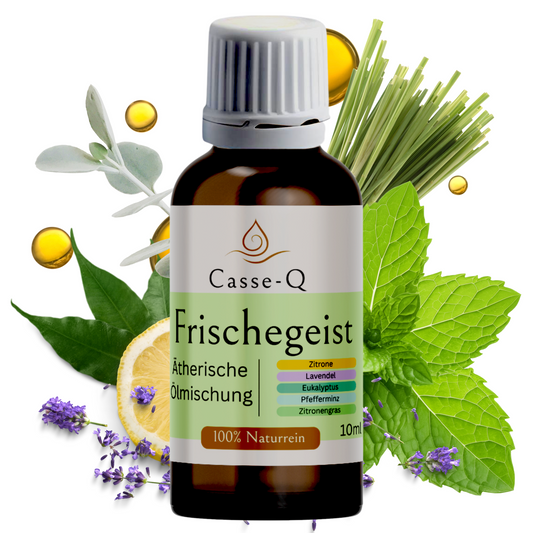
Fresh Spirit: Lavender, Peppermint, Eucalyptus, Lemon, Lemongrass
Regular price From €9,95 EURRegular priceUnit price €995,00/L -
Herbal Breeze: Eucalyptus, Thyme, Peppermint, Rosemary
Regular price From €9,95 EURRegular priceUnit price €995,00/L -
Winter Warmth: Cassia, Clove, Orange, Swiss Stone Pine
Regular price From €9,95 EURRegular priceUnit price €995,00/L