
Room Fragrance & Diffusers
A diffuser is only as good as what goes into it. Synthetic oils smell strong but flat – and over time they wear down cheaper devices.
What you'll find here are pure essential oils that shift as they run rather than staying uniform. Plus our own ultrasonic diffuser, if you're starting from scratch.
-
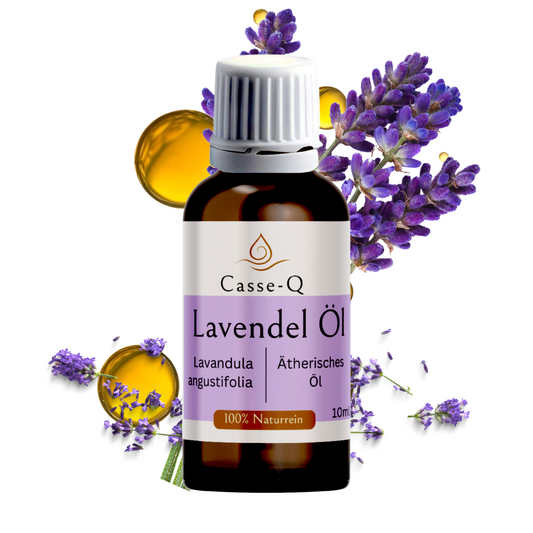
Lavender Oil
Regular price From €6,95 EURRegular priceUnit price €695,00/L -
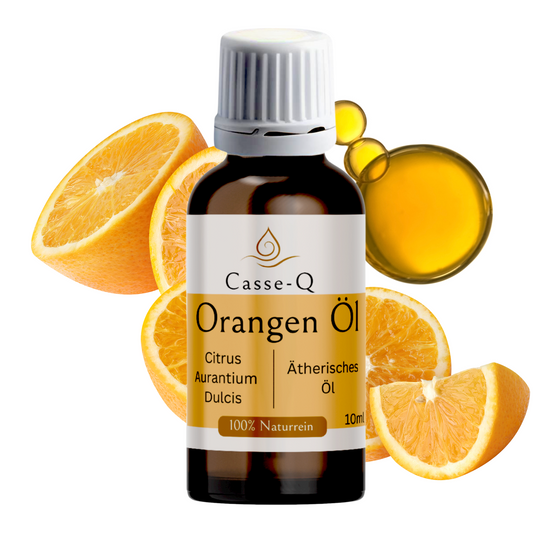
Sweet Orange Oil
Regular price From €6,95 EURRegular priceUnit price €695,00/L -
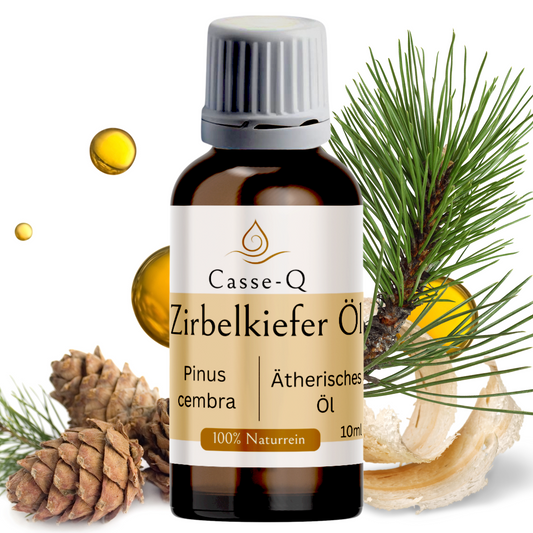
Swiss Stone Pine Oil
Regular price From €9,95 EURRegular priceUnit price €995,00/L -
Forest Love: Juniper, Cedarwood, Nutmeg, Lemon
Regular price From €9,95 EURRegular priceUnit price €995,00/L -
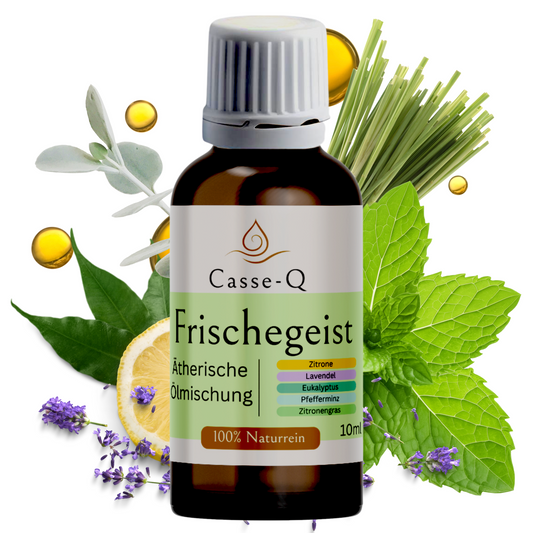
Fresh Spirit: Lavender, Peppermint, Eucalyptus, Lemon, Lemongrass
Regular price From €9,95 EURRegular priceUnit price €995,00/L -
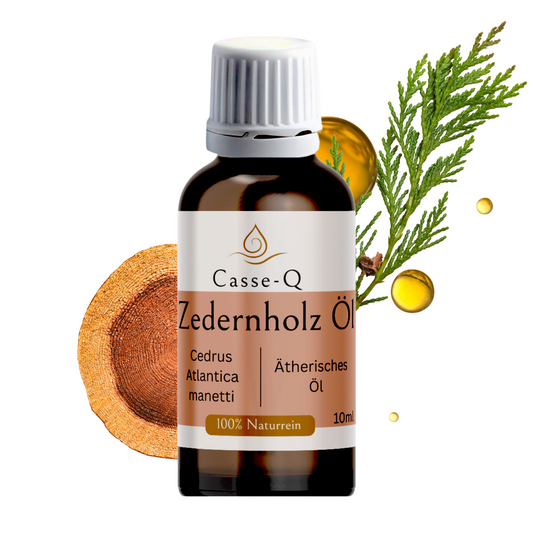
Cedarwood Oil (Atlas)
Regular price From €6,95 EURRegular priceUnit price €695,00/L -
Starlight: Star Anise, Orange, Grapefruit, Cardamom
Regular price From €12,95 EURRegular priceUnit price €1.295,00/L -
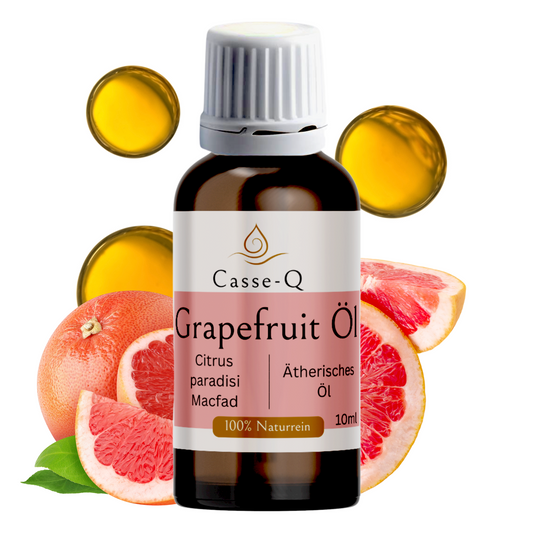
Grapefruit oil / grapefruit oil
Regular price From €6,95 EURRegular priceUnit price €695,00/L -
Blossom Magic: Ylang-Ylang, Elemi, Lemon
Regular price From €9,95 EURRegular priceUnit price €995,00/L -
Sunlit Calm: Lavender, Lemon, Orange
Regular price From €9,95 EURRegular priceUnit price €995,00/L -
Bergamot Oil
Regular price From €6,95 EURRegular priceUnit price €695,00/L -
 Sale
SaleAroma Diffuser
Regular price €29,00 EURRegular price€49,95 EURSale price €29,00 EURSale




How to dose in a diffuser
- Bathroom, hallway (up to 10 m²): 2–3 drops in 100 ml of water
- Bedroom, office (10–20 m²): 4–6 drops in 150–200 ml
- Living room (20–35 m²): 6–10 drops in 300 ml
- Open-plan space (from 35 m²): 10–15 drops in 400 ml and more
Halve the amount for intense oils such as peppermint, clove or cinnamon.
Intervals rather than continuous running. The nose adapts to a scent after about fifteen minutes and barely registers it. Adding more at that point means overdosing for everyone else in the room. A rhythm of 15 minutes on, 30 minutes off is more effective.
Three device types compared
Ultrasonic diffuser. Oil and water are turned into a cool mist by vibration. The oil isn't heated, so the scent stays closer to the original. Range and control are the best of the three. Descale once a week with a little citric acid.
Oil burner. Water in the bowl, a tealight underneath. Cheap and needs no electricity, but the heat alters the scent, and the bowl runs dry before the candle goes out.
Scent stone or felt. Two to three drops directly onto the porous stone. Passive, very subtle, ideal for a wardrobe, car or bathroom.
Two notes on the device: citrus oils contain limonene, which can attack lower-grade plastics – glass, ceramic or BPA-free plastic are the safe choice. And change the water after every run, otherwise oil residues settle on the ultrasonic plate and misting performance drops.
Pure essential oil or synthetic fragrance oil?
The two terms often sit side by side in retail but mean fundamentally different things. “Fragrance oil”, “aroma oil” and “perfume oil” are not protected designations – behind them sit mostly synthetically produced scent compounds, often dissolved in a carrier oil or alcohol. A pure essential oil, by contrast, is the unaltered distillate or pressing of a single plant.
In a diffuser you notice the difference mainly over time. A synthetic scent is the same from the first minute to the last – it was constructed that way. A natural product consists of dozens of individual compounds with different vapour pressures. The light molecules reach the air first, the heavy ones last. With bergamot, for instance, the zesty note is in the room early, while the softer base only shows after twenty minutes.
Scents by time of day rather than by room
Most people look for one scent per room. It's often more practical to think in terms of time of day – rooms are used differently, after all.
Citrus works best in the morning: grapefruit or lemon, zesty and short. During the day in a study, a herbal blend such as Frischegeist carries longer without becoming insistent. In the evening it can be softer and warmer – Sonnenruhe or Swiss stone pine, both of which tolerate long run times. For guests, something neutral works well: Blütenzauber or cedarwood.
Frequently asked questions
How many drops go into the diffuser?
4 to 6 drops in 150–200 ml of water for an average room. Half that for intense oils. Better to start low.
Can I use any essential oil in a diffuser?
Yes, as long as it's pure. Fatty carrier oils such as almond, jojoba or castor, however, don't belong in an ultrasonic diffuser – they don't disperse as mist and clog the membrane.
Why does my diffuser stop smelling after a short while?
Usually this isn't a device fault but olfactory adaptation: the nose filters out a constant stimulus after about fifteen minutes. Interval operation helps more than a higher dose.
How do I clean the diffuser properly?
Pour out residual water after every run and wipe it out. Once a week, run it with water and a little citric acid, then rinse clear.
Are scented oils safe with pets in the room?
Animals have a finer sense of smell and can't leave the room themselves if the door is closed. Basic rule: dose sparingly, leave the door open, pay particular attention with cats. When in doubt, ask your vet.
How long does a 10 ml bottle last?
Around 200 drops. With daily use at 5 drops, that's roughly six weeks.
Our blends
-
Forest Love: Juniper, Cedarwood, Nutmeg, Lemon
Regular price From €9,95 EURRegular priceUnit price €995,00/L -
Fresh Spirit: Lavender, Peppermint, Eucalyptus, Lemon, Lemongrass
Regular price From €9,95 EURRegular priceUnit price €995,00/L -
Herbal Breeze: Eucalyptus, Thyme, Peppermint, Rosemary
Regular price From €9,95 EURRegular priceUnit price €995,00/L -
Winter Warmth: Cassia, Clove, Orange, Swiss Stone Pine
Regular price From €9,95 EURRegular priceUnit price €995,00/L


