Home & Freshness
Homemade cleaners have a practical advantage that's rarely mentioned: you smell what you choose.
The recipes below all work with supermarket ingredients – water, vinegar, bicarbonate of soda, washing-up liquid. Plus a few drops of oil for the scent.
-
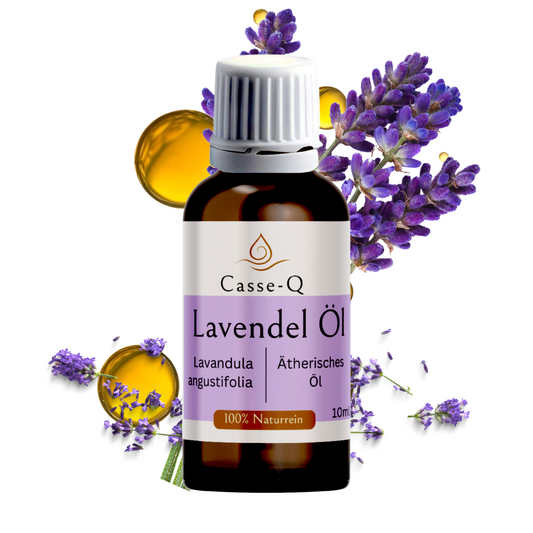
Lavender Oil
Regular price From €6,95 EURRegular priceUnit price €695,00/L -
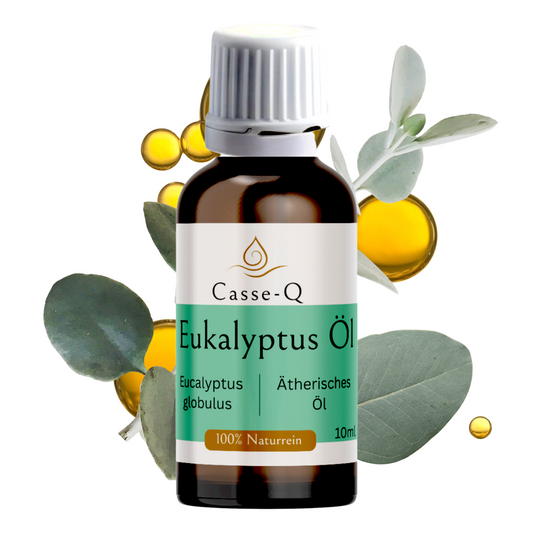
Eucalyptus oil / Eucalyptus Oil
Regular price From €6,95 EURRegular priceUnit price €695,00/L -
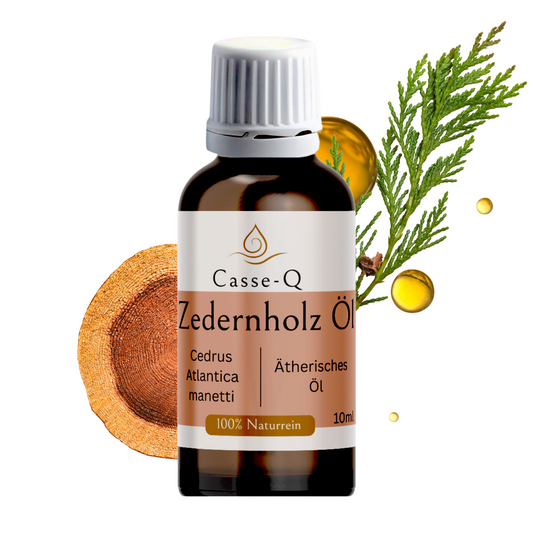
Cedarwood Oil (Atlas)
Regular price From €6,95 EURRegular priceUnit price €695,00/L -
Herbal Breeze: Eucalyptus, Thyme, Peppermint, Rosemary
Regular price From €9,95 EURRegular priceUnit price €995,00/L -
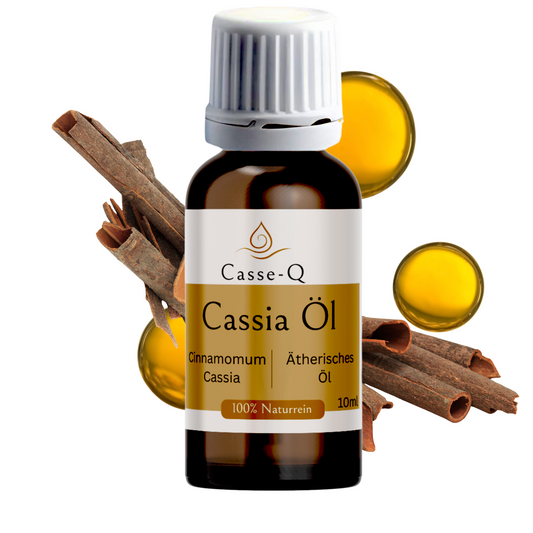
Cassia Oil
Regular price From €6,95 EURRegular priceUnit price €695,00/L -
Silken Freshness: Tea Tree, Lavender, Litsea Cubeba
Regular price From €9,95 EURRegular priceUnit price €995,00/L -
Litsea Cubeba Oil / May Chang Oil
Regular price From €6,95 EURRegular priceUnit price €695,00/L





Homemade cleaners have a practical advantage that's rarely mentioned: you smell what you choose. Conventional products come with a scent you buy whether it suits you or not – and one that often still hangs around hours later.
All the recipes below work with ingredients you'll find in a supermarket: water, vinegar, bicarbonate of soda, washing-up liquid. Plus a few drops of oil for the scent.
Four recipes
Mop water · 5 litres
5 l warm water · 1 squirt of washing-up liquid · 8 drops lemon or litsea cubeba
The washing-up liquid isn't a cleaning additive here but the emulsifier – without it the oil floats on top and doesn't disperse. Mix the oil and washing-up liquid first, then add the water. Not on oiled or waxed wooden floors, and not on natural stone.
All-purpose spray · 500 ml
250 ml water · 250 ml household vinegar · 15 drops mint or lime
Into a spray bottle, shake before each use. For kitchen fronts, tiles and glass. Not on marble, natural stone or limestone surfaces – vinegar attacks them.
Laundry scent · for one load
3 drops lavender on a wool ball or a cotton cloth, into the tumble dryer. Don't put it in the fabric softener compartment – the oil is simply rinsed away there.
Wardrobe freshness
3 to 5 drops cedarwood on a scent stone or wooden disc. Top up every two to three weeks. Never directly on textiles – essential oils leave stains.
Why oil in water doesn't work
The most common mistake when mixing your own: adding essential oil straight to water. Oil and water don't mix – the drops float on top as a film, land concentrated on the first cloth that goes in, and the rest of the bucket stays odourless.
That's why every water-based recipe needs an emulsifier. In a household, that's washing-up liquid: one squirt is enough to disperse the oil droplets finely. In vinegar recipes the alcohol content takes on part of that job, but shaking before use is still necessary.
Which oils are worth it – and which aren't
For household use, value for money matters more than in any other application. At 8 drops per bucket, a 10 ml bottle is empty after about 25 uses. That makes the larger sizes the right choice here.
Litsea cubeba is the value winner in this category: lemony like lemon oil, but noticeably cheaper by the litre and without the phototoxicity of cold-pressed citrus oils. If you buy just one oil for the household, make it this one.
The expensive and the heavy oils aren't recommended here. Rose, chamomile or frankincense in mop water is a waste, and spiced oils such as clove and cinnamon leave a smell you rarely want in a kitchen.
Materials that need care
Essential oils are solvents. They attack some plastics, varnishes and treated surfaces – not dramatically, but visibly. PET spray bottles usually survive vinegar solutions with oil for a few months, after which they turn cloudy. Glass or HDPE lasts longer.
With natural stone, marble, oiled wood and cork: test on an inconspicuous spot first. And vinegar recipes fundamentally don't belong on limestone surfaces.
Frequently asked questions
Why doesn't the oil disperse in the mop water?
Because essential oils aren't water-soluble. You need an emulsifier – a squirt of washing-up liquid is enough. Mix the oil and washing-up liquid first, then add the water.
Which oil is most economical for household use?
Litsea cubeba. It smells lemony, is considerably cheaper than lemon oil in larger sizes, and isn't phototoxic.
Can I put essential oils in the fabric softener compartment?
No, they're rinsed straight out there. Better: a few drops on a wool ball in the dryer or on a cloth among the dry laundry.
Do essential oils attack surfaces?
Some do. They act as solvents on certain plastics and varnishes. With natural stone, marble, oiled wood and cork, test on an inconspicuous spot first.
Which bottle suits homemade sprays?
Glass or HDPE. PET turns cloudy after a few months with oil and vinegar.
Our blends
-
Forest Love: Juniper, Cedarwood, Nutmeg, Lemon
Regular price From €9,95 EURRegular priceUnit price €995,00/L -
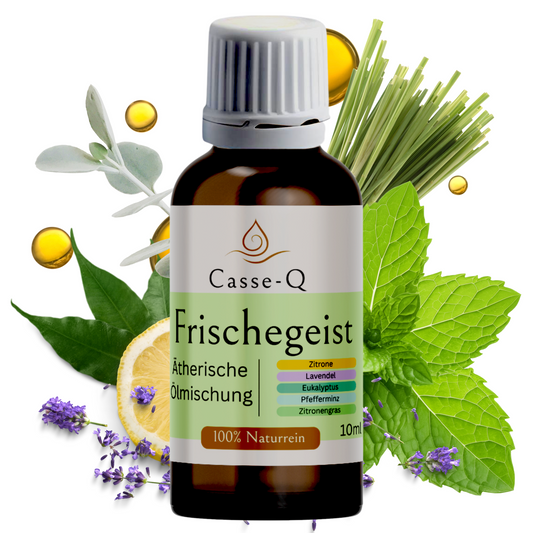
Fresh Spirit: Lavender, Peppermint, Eucalyptus, Lemon, Lemongrass
Regular price From €9,95 EURRegular priceUnit price €995,00/L -
Herbal Breeze: Eucalyptus, Thyme, Peppermint, Rosemary
Regular price From €9,95 EURRegular priceUnit price €995,00/L -
Winter Warmth: Cassia, Clove, Orange, Swiss Stone Pine
Regular price From €9,95 EURRegular priceUnit price €995,00/L