Wood Care (Cutting Boards, Kitchen Wood)
Wood in the kitchen needs an oil that won't turn rancid. That's where most household remedies fail: olive, sunflower and almond oil are fatty oils and go off within weeks.
Jojoba oil isn't chemically a fat at all but a wax ester – it barely oxidises and stays odourless.
-
Sweet Orange Oil
Regular price From €6,95 EURRegular priceUnit price €695,00/L -
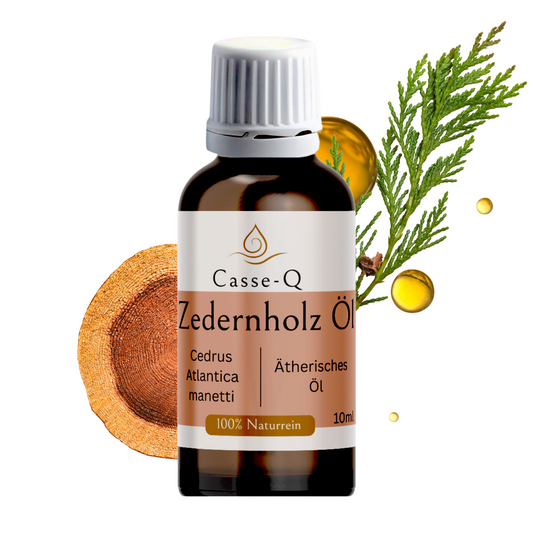
Cedarwood Oil (Atlas)
Regular price From €6,95 EURRegular priceUnit price €695,00/L -
Jojoba oil
Regular price From €9,95 EURRegular price -
Cedarwood Oil (Virginia)
Regular price From €6,95 EURRegular priceUnit price €695,00/L




Wood in the kitchen needs an oil that won't turn rancid. That's exactly where most household remedies fail: olive, sunflower and almond oil are fatty oils and go off within a few weeks. Jojoba oil isn't chemically a fat at all but a wax ester – it barely oxidises and stays odourless.
You'll find essential oils here too, but as a fragrance for furniture, handles and wooden bowls – not for surfaces you cut on. For chopping boards and anything with food contact the rule is: pure jojoba oil.
Oiling a chopping board – step by step
- Clean and dry. Wash the board, dry it thoroughly, leave it for at least two hours. Oil won't penetrate damp wood.
- Apply generously. Massage pure jojoba oil in with a lint-free cloth, following the grain. Being sparing is a mistake here – the wood takes what it needs.
- Let it soak in. 30 minutes for boards in regular use, overnight for dry or new wood.
- Remove the excess. Wipe off anything still sitting on the surface with a dry cloth. An oil film left standing turns sticky.
- Rhythm. New boards several times in the first week, then roughly monthly. Rule of thumb: when water no longer beads but soaks in, it's time.
Scented oils for furniture and wooden surfaces
For anything that doesn't come into contact with food – handles, shelves, wooden bowls, cupboard doors – you can perfume the jojoba oil: 3 to 5 drops of cedarwood or orange in 50 ml of jojoba, shake well, apply as above. Cedarwood suits dark woods, citrus notes light ones.
Frequently asked questions
Which oil is suitable for chopping boards?
An oil that doesn't oxidise. Jojoba fits, because chemically it's a wax ester rather than a fat. Olive, sunflower, rapeseed and almond oil turn rancid and develop an unpleasant smell over time.
Why does almond oil go rancid on wood but jojoba doesn't?
Fatty oils consist of triglycerides whose unsaturated fatty acids react with atmospheric oxygen. Jojoba oil has a different molecular structure – long wax esters – and is therefore far more resistant to oxidation.
How often should I oil my chopping board?
New boards several times in the first week, then about once a month. The best indicator is water: if it beads, all is well. If it soaks in, the board is dry.
Can I put essential oils on chopping boards?
We don't recommend it. For surfaces with food contact, pure jojoba oil is enough. Essential oils are highly concentrated and not intended for consumption – they belong on furniture, handles and decorative pieces.
Does oil help against cracks in wood?
As a preventive measure, yes. Regularly oiled wood absorbs less moisture and moves less, which makes cracks less likely. Oil won't close existing cracks.
Our blends
-
Forest Love: Juniper, Cedarwood, Nutmeg, Lemon
Regular price From €9,95 EURRegular priceUnit price €995,00/L -
Fresh Spirit: Lavender, Peppermint, Eucalyptus, Lemon, Lemongrass
Regular price From €9,95 EURRegular priceUnit price €995,00/L -
Herbal Breeze: Eucalyptus, Thyme, Peppermint, Rosemary
Regular price From €9,95 EURRegular priceUnit price €995,00/L -
Winter Warmth: Cassia, Clove, Orange, Swiss Stone Pine
Regular price From €9,95 EURRegular priceUnit price €995,00/L